
Do Digital Dentures Need Fewer Adjustments? What Patients Should Know
Why Denture Adjustments Matter More Than Most People Expect
For many denture patients, the real challenge does not begin the day the dentures are delivered. It begins afterward, when certain spots start to rub, speaking feels slightly off, or the denture never seems to settle the way they hoped it would. That is why adjustments are such an important part of the denture conversation. A denture can look good on the first day and still become frustrating if it needs repeated changes before it feels comfortable and stable.
This is one reason digital dentures have become such an important topic in modern denture care. Patients are not only asking whether digital dentures look better or feel more modern. They also want to know whether they may lead to fewer adjustments and a smoother experience overall. That is a practical question, because repeated adjustments can affect comfort, confidence, and how satisfied a patient feels with treatment over time.
Why Dentures Sometimes Need Adjustments
Dentures are expected to work in a part of the body that is constantly moving and constantly in use. They affect how a person eats, speaks, smiles, and carries themselves throughout the day. Even when dentures are carefully made, small areas of pressure or movement can become noticeable once the patient begins wearing them in real life.
Some adjustments are completely normal. A patient may need minor refinements as they adapt to a new denture and as the denture is fine-tuned for comfort. That does not automatically mean anything went wrong. Dentures are highly individual, and even a well-made denture sometimes needs small changes to improve how it feels in day-to-day use.
The real issue is not whether any adjustment is ever needed. The real issue is whether the denture process begins with enough precision to reduce avoidable fit problems from the start.
Why Digital Dentures Are Different
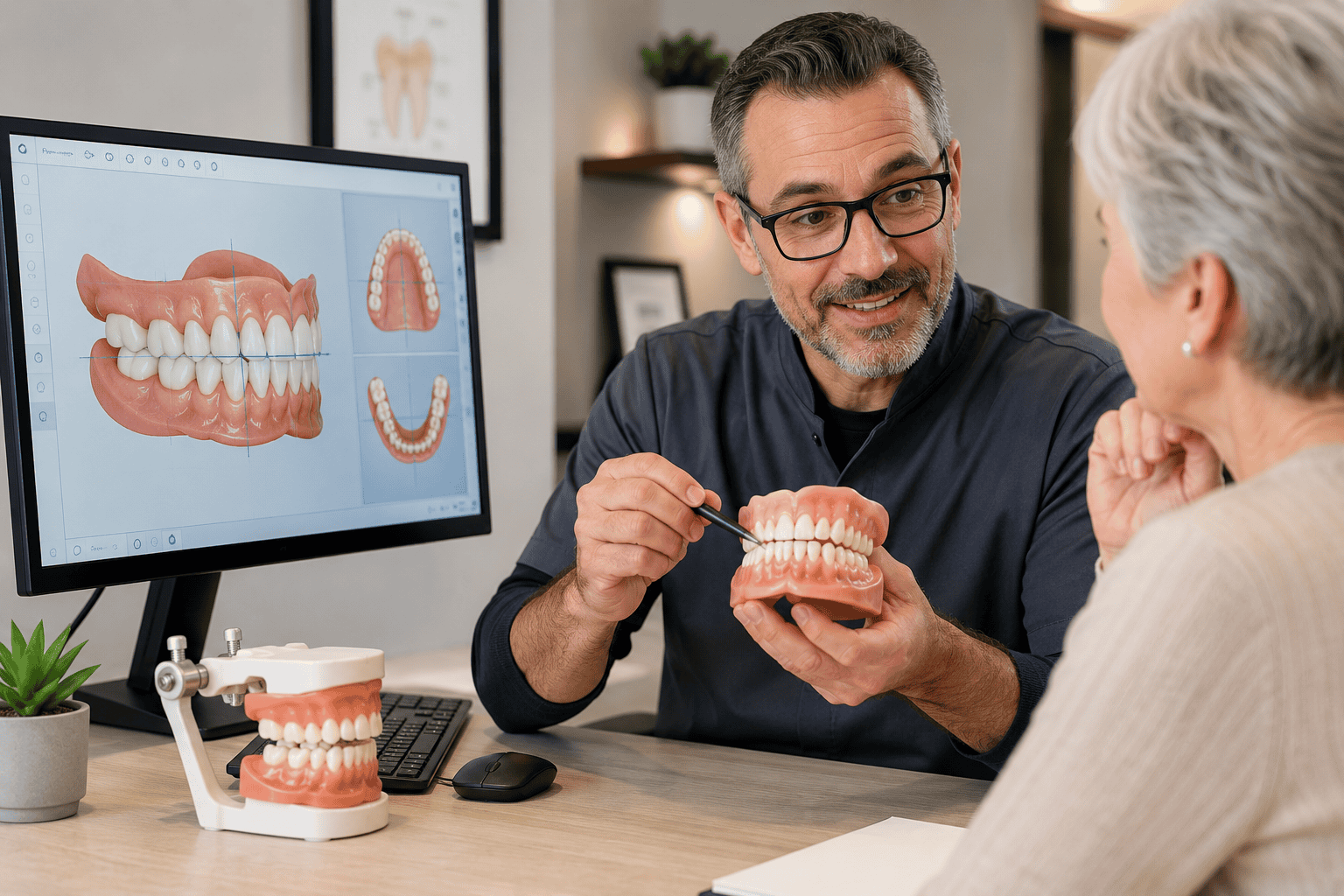
Digital dentures begin with a more advanced workflow than traditional denture methods. Instead of relying only on older manual techniques, the process uses digital tools to support more precise planning, design, and fabrication. That matters because better records at the beginning often lead to a more accurate result at the end.
A more precise digital process does not promise that every patient will never need an adjustment. Dentures still need to feel right in a real mouth, not just on a screen or in a lab. But when the starting point is more exact, there is often less guesswork built into the process. That can improve fit, comfort, and overall efficiency.
Patients who are already looking into digital dentures are usually drawn to exactly those benefits. They want a process that feels more modern, more thoughtful, and more focused on getting the details right from the beginning.
Better Precision Often Means Fewer Fit Surprises
One of the biggest reasons dentures need repeated adjustments is that small fit issues are not always obvious until the patient starts wearing them in daily life. A pressure point may only show up after a full meal. A movement issue may only become noticeable during conversation. A denture that seemed acceptable in the office may feel much different after several hours of wear.
Digital dentures help reduce that uncertainty by starting with more accurate digital records and a more refined design process. When the denture is designed from a stronger foundation, the final result is often closer to what the patient actually needs from the start.
That difference can matter a great deal. Fewer avoidable fit problems often means fewer sore spots, less irritation, and a smoother path to daily comfort.
What “Fewer Adjustments” Really Means
The phrase “fewer adjustments” should be understood the right way. It does not mean a patient will never need a follow-up visit. It means the denture may be more likely to feel closer to right from the beginning, reducing the kind of repeated correction that often frustrates patients.
That distinction matters because denture treatment should always be honest and realistic. New dentures still require adaptation. Patients still need time to get used to speaking, chewing, and wearing them comfortably. But when the initial fit is stronger, that transition often feels much easier.
A smoother adjustment period can make a major difference in how confident a patient feels about treatment. It helps the process feel more efficient and less like a cycle of ongoing fixes.
Why Repeated Adjustments Can Be So Frustrating
Most denture patients understand that some follow-up care is part of the process. What becomes discouraging is when the denture continues to feel off in ways that interfere with daily life. Meals become irritating. Certain words do not feel natural. The denture may feel fine for a short time and then become uncomfortable again.
That kind of ongoing frustration can wear on a patient very quickly. Instead of feeling like the dentures restored something positive, they begin to feel like one more problem to manage. This is especially true for patients who have already had disappointing experiences with dentures in the past.
That is why a more precise and modern process matters so much. Patients are not simply looking for technology that sounds impressive. They are looking for a treatment experience that feels less frustrating and more dependable.
Digital Dentures Can Improve Comfort From the Start
Comfort is one of the clearest ways patients notice the difference. A denture that fits better from the beginning is often easier to wear for longer periods of time. It tends to create fewer pressure points and less irritation. That does not only improve physical comfort. It also improves confidence.
When a patient is not constantly distracted by the denture, they are more likely to relax into normal life. Meals feel less stressful. Speech feels more natural. Social situations feel easier because there is less worry about movement, rubbing, or discomfort.
That is one of the strongest reasons many patients are now interested in digital dentures. Better precision can support better comfort, and better comfort can change the entire denture experience.
First-Time Patients Often Value a Smoother Process
Patients getting dentures for the first time often feel nervous about what comes after delivery. Many are less worried about the idea of dentures themselves than they are about whether the process will become long, uncomfortable, or frustrating.
A more precise digital process can help reduce that concern. If the dentures feel closer to right from the start, the early experience often feels more manageable. That matters because the first few weeks are when patients form their strongest impressions about whether treatment feels successful.
Patients who want a more modern experience may also be comparing digital dentures with complete dentures or other options depending on their needs. For many first-time denture patients, the appeal of digital care is that it feels more current, more organized, and more focused on reducing avoidable fit issues.
Patients Replacing Older Dentures May Notice the Difference Even More
Patients who have lived through repeated adjustments in the past often understand this topic better than anyone. They know what it feels like when dentures never quite settle properly. They know how tiring it is to keep returning for refinements while daily life remains uncomfortable.
For these patients, digital dentures can feel like a major step forward. A more precise process often feels reassuring because it suggests the treatment is not simply repeating the same old method. It offers a different path, one that may reduce the kind of ongoing trial and error that made the last experience so frustrating.
This is why patients replacing older dentures are often especially interested in a more digital approach. They are not only looking for new dentures. They are looking for a better experience.
When the Issue Is the Existing Denture, Not a Full Replacement
Not every patient who feels discomfort needs a completely new denture right away. In some cases, the problem may be that the current denture no longer fits properly, has worn unevenly, or needs maintenance rather than full replacement.
That is where services like a denture reline or same day denture repairs and relines can still play an important role. If the denture is otherwise serviceable, refining the fit may be enough to restore comfort and function.
The important thing is making the right decision based on the actual problem. Some patients need a new, more precise digital denture. Others need thoughtful adjustment or repair of what they already have. Modern denture care works best when the treatment is matched to the patient, not assumed in advance.
Fewer Adjustments Can Also Mean More Confidence
There is a practical side to fewer adjustments, but there is also an emotional side. Every extra adjustment appointment is a reminder that the denture still does not feel right. Every sore spot or fit issue can chip away at confidence.
When treatment feels smoother from the beginning, patients often feel more positive about the whole process. They are more likely to trust the dentures, more willing to wear them confidently, and less likely to feel discouraged by each new issue that appears.
That confidence matters because dentures are not just functional. They affect how people feel about themselves in public, during meals, at work, and in family life. A smoother process can make the emotional adjustment easier as well as the physical one.
Why This Matters in Modern Denture Care
Patients today have different expectations than they did years ago. They want treatment to feel more precise, more efficient, and more in step with the rest of modern healthcare. They do not want to assume that dentures must automatically mean messy impressions, repeated refinements, and a long period of frustration before things feel right.
That is where digital dentures have changed the conversation. They offer a more advanced process with the goal of improving fit, comfort, and overall patient experience. They do not eliminate the need for professional follow-up, but they can help reduce the kind of avoidable fit issues that lead to repeated adjustments and ongoing frustration.
The Best Denture Process Is the One That Fits the Patient
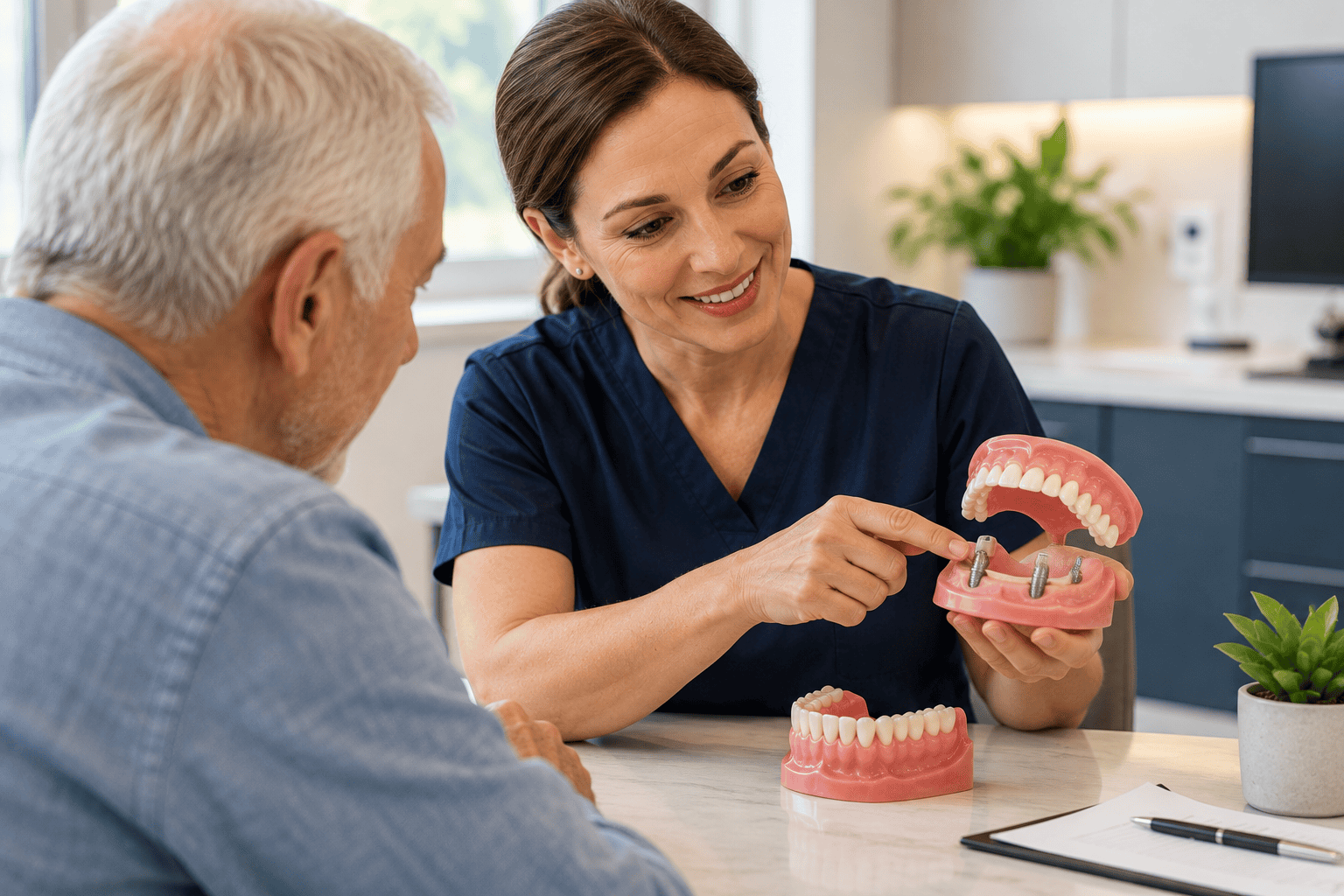
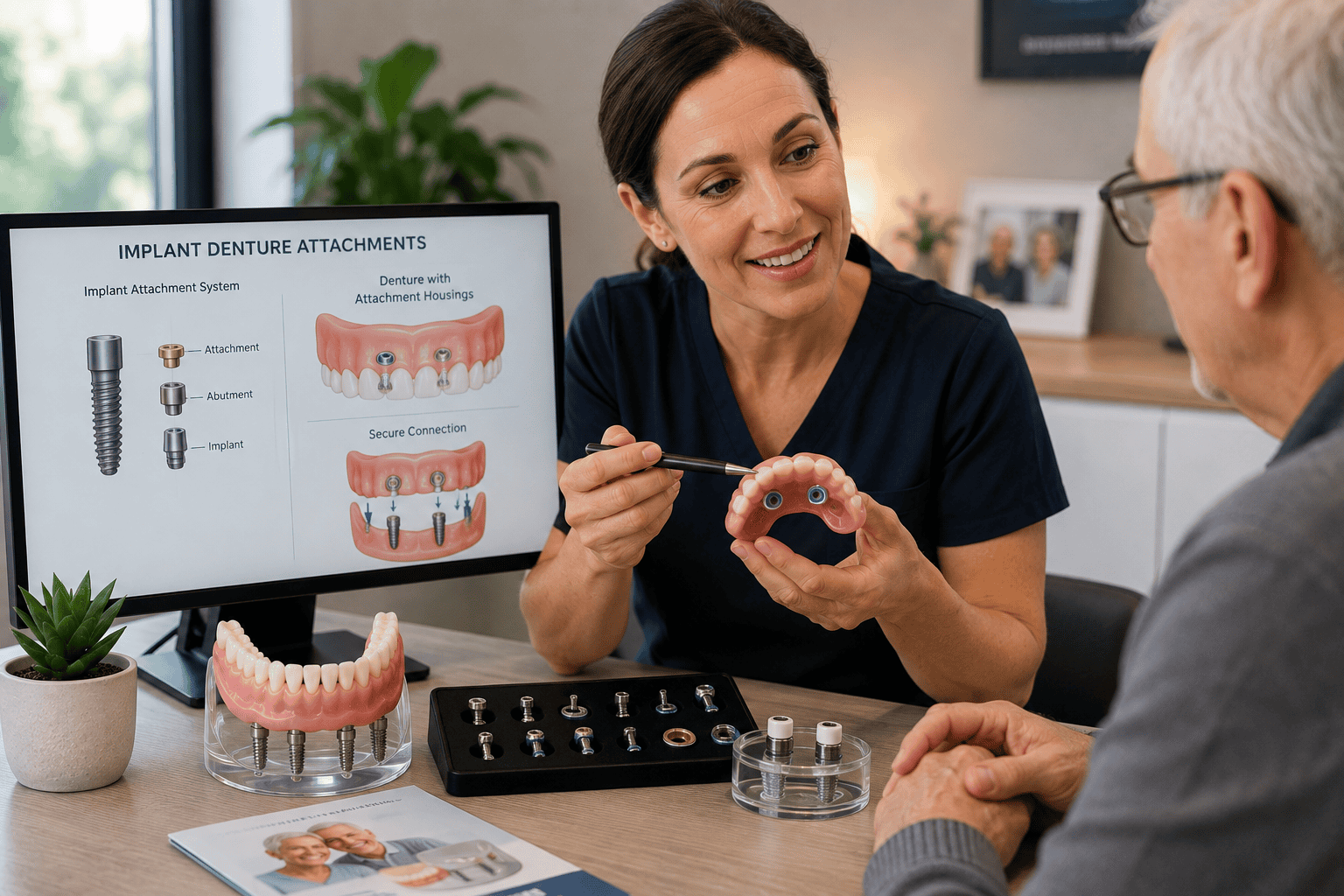
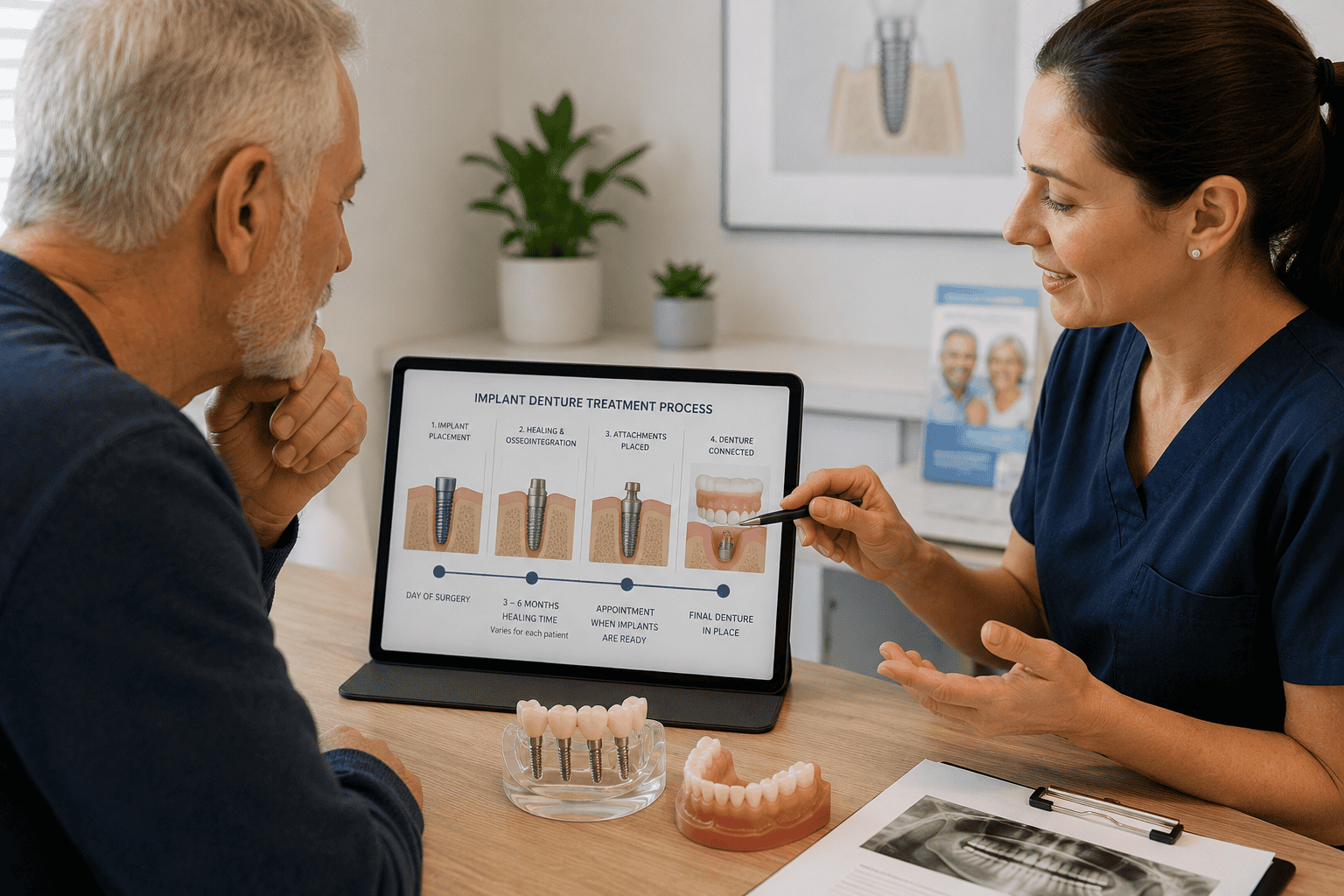
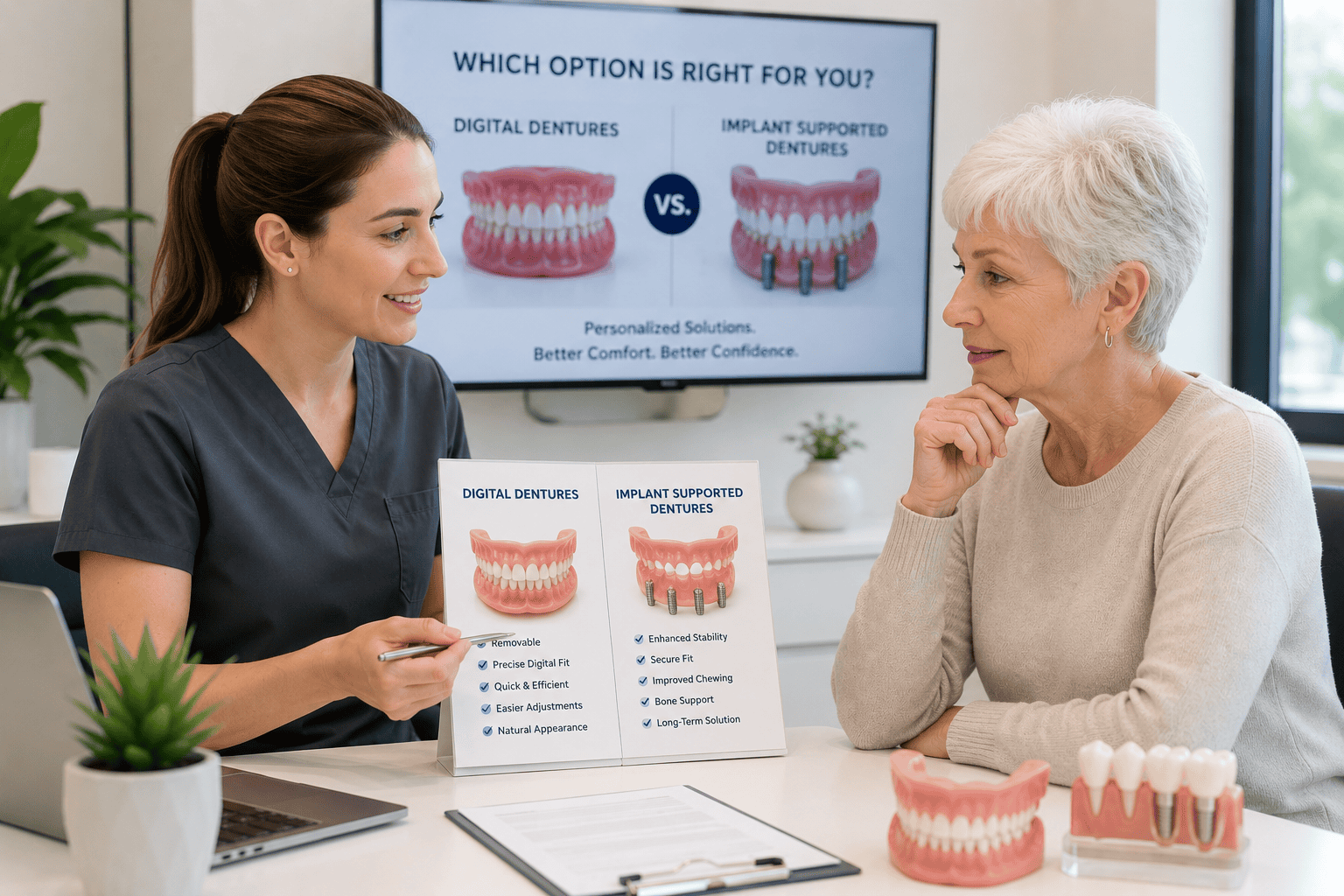
Some patients will benefit most from a full digital denture process. Others may still need support with an existing denture. Others may want to explore whether implant-supported dentures offer a better long-term solution for stability. The best answer depends on the patient’s mouth, goals, and experience.
What matters most is not choosing something just because it is newer. It is choosing the process that is most likely to deliver a more comfortable, stable, and satisfying result.
Book a Consultation With Lower Mainland Denture Clinic
If you are tired of dentures that never seem to feel quite right, Lower Mainland Denture Clinic offers digital dentures, complete dentures, denture relines, same day denture repairs and relines, and implant-supported dentures to help improve comfort, fit, and confidence.
Call 604-457-3763 to book a consultation and find out whether a more precise digital denture process could help reduce adjustments and improve your overall denture experience.