
Can Digital Dentures Look More Natural? How Modern Design Changes Your Smile
When people start thinking about new dentures, comfort and fit are usually two of the first concerns. But appearance matters just as much. Dentures become part of your smile, your facial expression, and the way you see yourself every day. A denture can fit properly and still feel disappointing if the teeth look too large, too uniform, too bright, or simply do not suit the person wearing them.
Modern digital dentures give denturists more tools to plan both the functional and aesthetic sides of treatment. Digital scanning, computer-assisted design, and detailed tooth arrangement allow the denture to be planned with greater control before it is manufactured. That can help create a smile that looks more natural, feels more personal, and works with the patient’s facial features rather than looking like a generic set of replacement teeth.
At Lower Mainland Denture Clinic, digital technology has become an increasingly important part of the denture process. With intraoral scanning and modern digital design, much of the treatment process can now be completed without relying on conventional impression trays. The technology is useful for precision and fit, but it also creates new opportunities to plan the appearance of the finished smile carefully.
Natural-Looking Dentures Should Not Look Perfectly Identical
One of the biggest misunderstandings about natural-looking dentures is that every tooth should be perfectly straight, perfectly symmetrical, and exactly the same shade.
Natural teeth rarely look that way.
A person’s smile normally has subtle variations in tooth shape, position, shade, and proportion. These small differences are part of what makes a smile look natural rather than manufactured.
The goal with well-designed dentures is not necessarily to create the most flawless row of teeth possible. The goal is to create a smile that suits the individual.
Some patients prefer a brighter, more uniform appearance. Others want something softer and more understated. A patient replacing dentures they have worn comfortably for years may want to preserve familiar characteristics of their previous smile. Someone receiving dentures for the first time may want a completely fresh look.
Digital denture design provides an opportunity to consider these preferences as part of the planning process.
Tooth Size Makes a Big Difference
Teeth that are too large for a person’s face can make dentures appear artificial. Teeth that are too small may not provide enough support or may make the smile look older than intended.
Choosing appropriate tooth dimensions requires looking at the whole face rather than focusing only on the mouth.
Facial width, lip shape, smile line, jaw relationship, and the amount of tooth that naturally shows all influence how the final result appears.
The front teeth are particularly important because they are visible during smiling and conversation. Their width, length, position, and relationship to the lips help determine whether the smile looks balanced.
Digital planning can make it easier to evaluate these relationships before the final denture is completed. Rather than treating tooth selection as a separate step, it can become part of the overall design.
Tooth Shape Should Suit the Person
Natural teeth come in many shapes. Some are softer and more rounded. Others are slightly more square or defined.
The shape that looks appropriate for one patient may not look right for another.
This is where customization matters.
A patient may want to maintain the general appearance they had before losing their natural teeth. Another may want to make subtle improvements to a smile they never particularly liked.
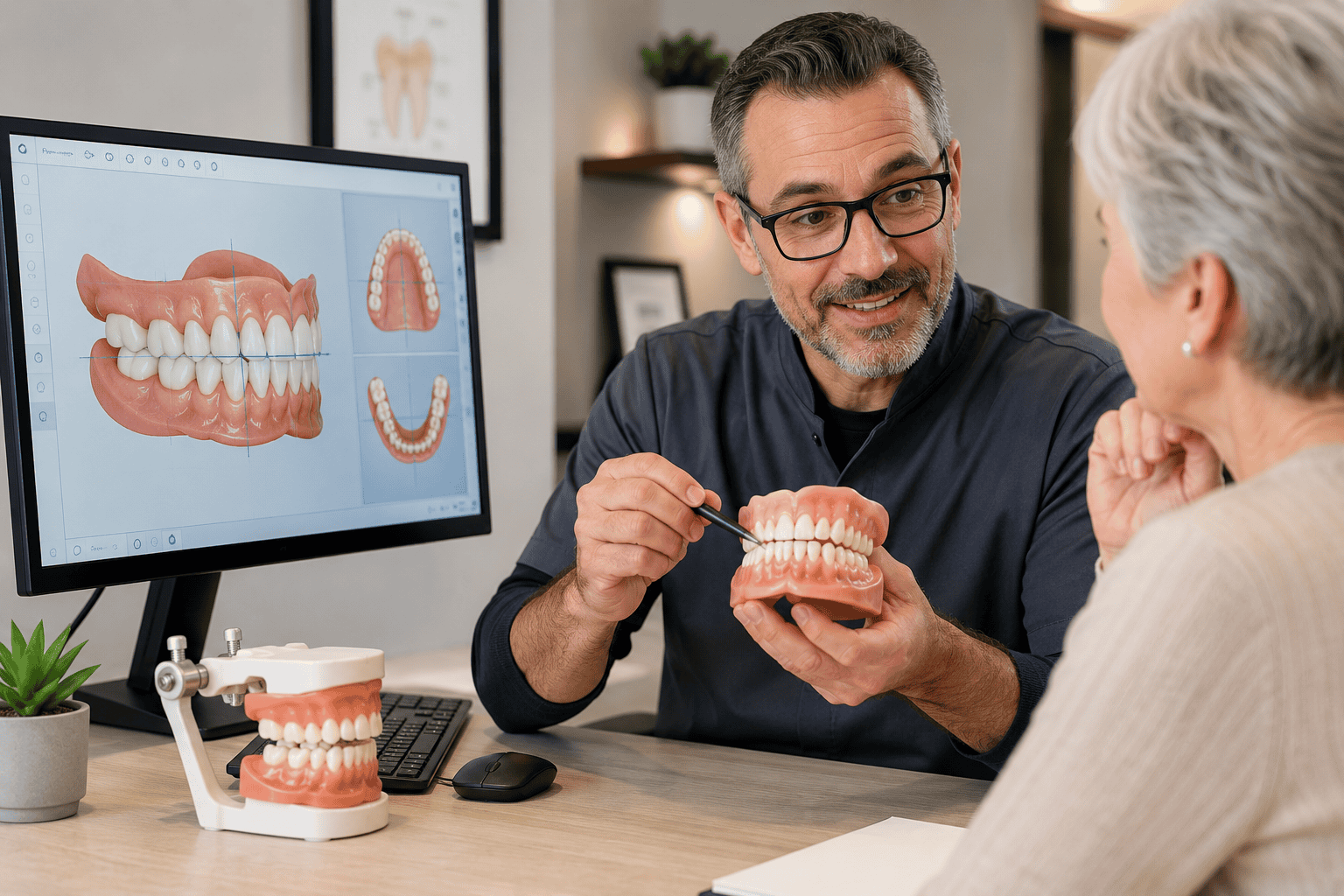
Digital denture treatment can provide greater flexibility when planning the arrangement and overall appearance of the teeth. The finished smile can be designed around the patient’s preferences while still respecting the functional requirements of the denture.
The objective is not to create someone else’s ideal smile. It is to create a smile that feels appropriate for the person wearing it.
The Brightest Shade Is Not Always the Most Natural
Tooth colour is another area where personal preference is important.
Many patients want their new dentures to look clean and bright, but extremely white teeth are not always the most natural choice.
Natural tooth shades vary. Age, skin tone, facial colouring, and the patient’s own preferences can all influence which shade looks most appropriate.
A slightly softer tooth colour may look much more natural on one patient, while another may prefer a brighter smile.
There is no single correct shade for everyone.
The important thing is to consider the denture teeth as part of the entire face rather than choosing colour in isolation.
A natural-looking smile is usually one where the teeth complement the person instead of immediately drawing attention to the fact that dentures are being worn.
Digital Dentures Allow More Detailed Smile Planning
Traditional denture techniques have been used successfully for many years, and skilled denturists can create excellent results using conventional methods.
Digital technology adds another set of tools to that process.
Once the necessary information has been captured, computer-assisted design allows the denture to be viewed and planned digitally. Tooth position, arrangement, and other design details can be considered before manufacturing begins.
This helps make the process more controlled.
It can also make it easier to preserve useful information for future treatment. When a patient is happy with the look of their digital denture, important design information may remain available as part of the digital record.
If the denture eventually needs to be replaced, that information can provide a useful reference rather than relying entirely on memory or photographs.
Facial Support Is Part of Denture Appearance
Dentures do more than replace visible teeth.
They also help support the lips and surrounding facial tissues.
When natural teeth are lost, the appearance of the lower face can change. Poorly designed or heavily worn dentures may not provide the same support they once did.
A new denture can sometimes make a noticeable difference in how the lips and lower facial area are supported.
This does not mean dentures are a cosmetic facial treatment. Their primary purpose is to replace missing teeth and restore function. However, appropriate denture design naturally affects facial appearance because the teeth and denture base occupy space that influences the lips and cheeks.
The position of the front teeth is especially important. Moving them too far forward or too far inward can alter the appearance of the lips.
Digital planning allows these relationships to be considered as part of the overall denture design.
Worn Dentures Can Change the Way a Smile Looks
Patients sometimes become accustomed to the appearance of older dentures and do not realize how much they have changed.
Denture teeth can wear over time. The biting surfaces become flatter, the visible teeth may look shorter, and the smile can gradually lose some of its original character.
Changes in the gums and supporting tissues can also affect the position of the denture.
The result may be a smile that looks different from when the denture was originally made.
A new set of digital dentures provides an opportunity to reassess these changes.
The goal does not necessarily have to be dramatic. Small improvements in tooth length, shape, position, and facial support can sometimes produce a much fresher appearance while still looking completely natural.
Natural Does Not Mean Young
One of the most important considerations in denture aesthetics is creating a smile that looks appropriate for the individual.
Trying to make every patient look decades younger can actually make dentures appear less natural.
A natural smile should fit the person’s face, personality, and preferences.
Some patients want a significant cosmetic improvement. Others simply want their smile restored in a way that does not draw attention.
Both are reasonable goals.
A denture does not need obvious imperfections to look realistic, but it also does not need to appear unnaturally uniform.
The best result is often one that people notice as a good smile rather than immediately identifying as a denture.
The Position of the Teeth Affects More Than Appearance
The way denture teeth are positioned also affects speech and function.
Front tooth position can influence how certain sounds are formed. The relationship between the upper and lower teeth affects the bite. The position of the back teeth influences chewing and denture stability.
That means cosmetic decisions cannot be made independently of function.
Moving a tooth simply because it looks better in one position may create problems elsewhere.
Digital denture design is valuable because aesthetics and function can be considered together.
A smile needs to look good when the patient is sitting still, but it also needs to work during speaking, chewing, laughing, and everyday movement.
Your Existing Smile Can Provide Useful Information
Patients replacing older dentures do not necessarily need to start with a completely different appearance.
An existing denture can provide valuable information about what the patient likes and dislikes.
Perhaps the tooth shade was perfect but the front teeth were too short. Maybe the overall arrangement looked natural but the denture no longer fits properly. Perhaps the patient would like the same general smile with a few subtle improvements.
Photographs can also be useful.
Older photographs showing natural teeth may help provide an idea of previous tooth position, shape, or smile characteristics.
The goal is not always to recreate the past exactly. It is to gather enough information to understand what feels familiar and natural to the patient.
First-Time Denture Patients Often Have Different Concerns
Someone receiving dentures for the first time may have stronger emotional concerns about appearance.
Losing natural teeth can feel like a major change, and many patients worry that everyone will immediately notice their dentures.
Modern denture design is intended to avoid that obvious artificial appearance.
A personalized tooth arrangement, appropriate shade, thoughtful facial support, and careful fit can all contribute to a much more natural result.
It is also important for first-time patients to understand that the mouth and face may look slightly different when the new dentures are first inserted.
There is an adjustment period.
The lips, cheeks, tongue, and facial muscles need time to become accustomed to the appliance.
Something that feels noticeably different on the first day may begin to feel much more normal as the patient adapts.
Digital Scanning Can Make the Process More Comfortable
Appearance may be the focus of the finished denture, but the experience of creating it matters too.
Lower Mainland Denture Clinic now uses an intraoral scanner for much of its digital denture workflow.
Instead of relying entirely on traditional impression material, the scanner can capture detailed information about the mouth digitally in many cases.
For patients who have struggled with conventional impression trays, particularly those with a sensitive gag reflex, this can make the process much more comfortable.
The digital information can then become part of the design process used to create the new denture.
This is one of the reasons digital dentures represent more than simply a different manufacturing technique. They change several stages of the treatment experience.
A Natural Smile Still Starts With a Good Fit
A beautiful denture that moves constantly will not feel successful.
Appearance, comfort, fit, and function need to work together.
A well-designed denture should support the smile while also allowing the patient to speak and eat comfortably.
If an existing denture has become loose because the gums and supporting tissues have changed, a denture reline may sometimes improve the fit.
If the denture is significantly worn, damaged, or no longer meeting the patient’s needs, replacing it with a new digital denture may be the better approach.
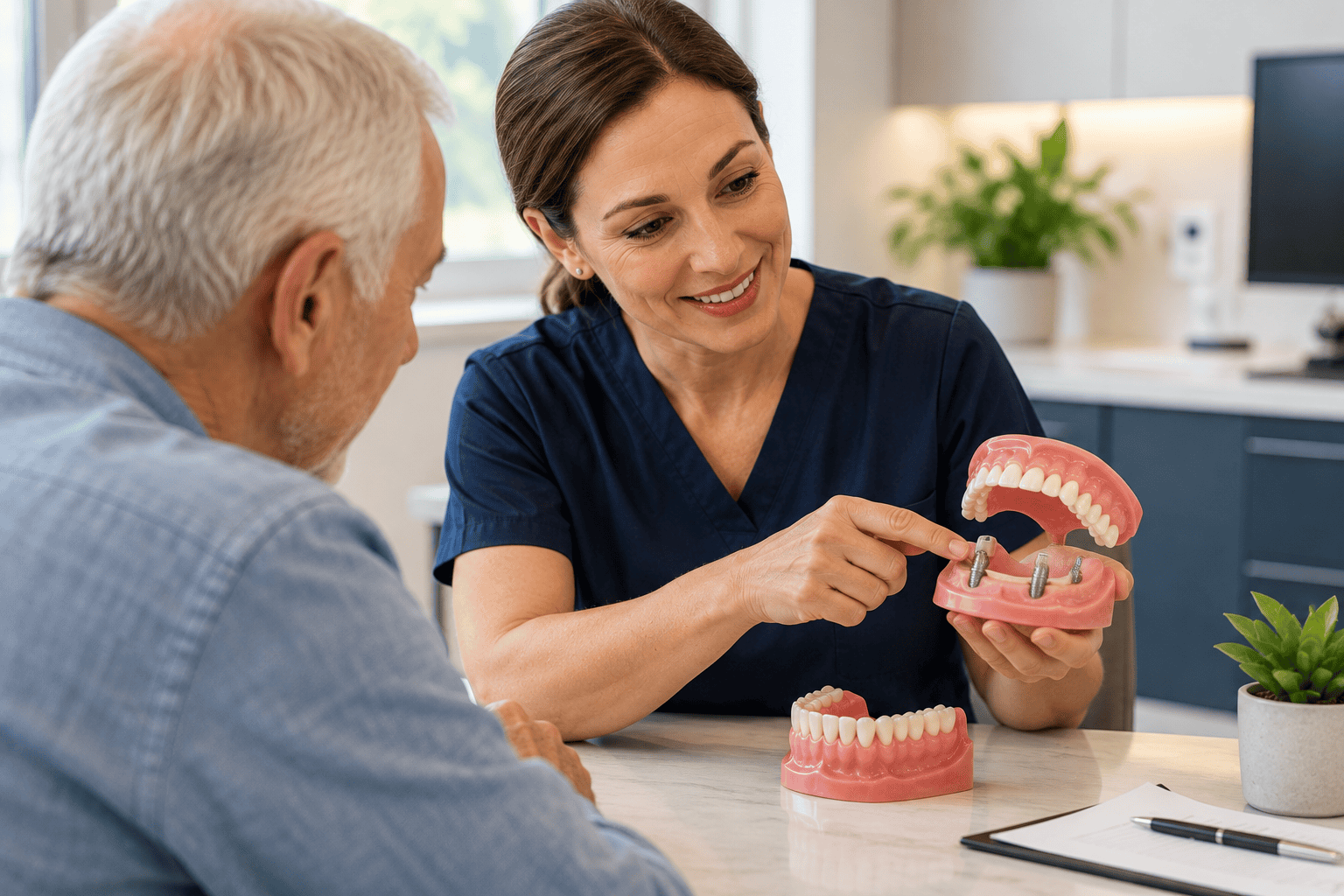
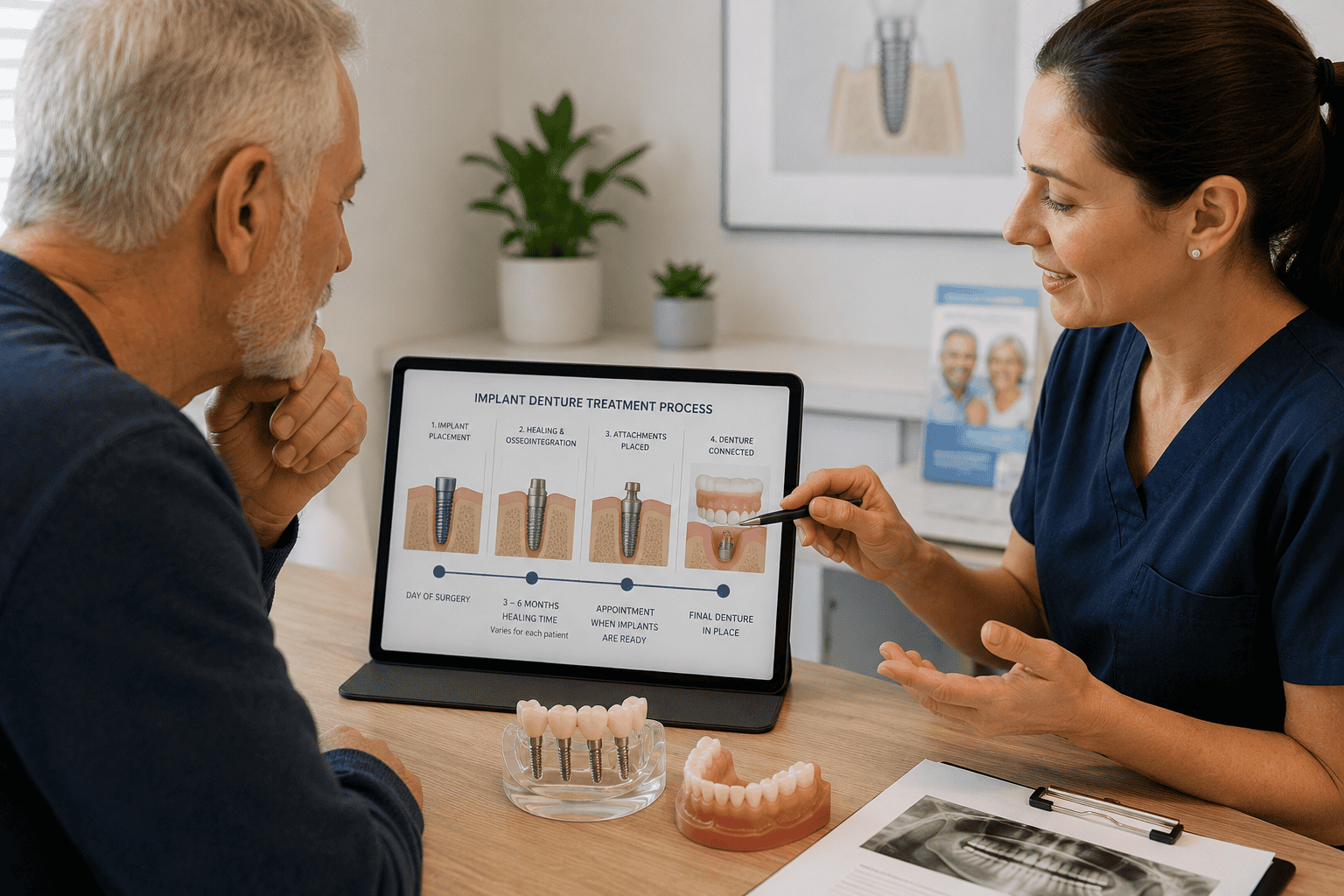
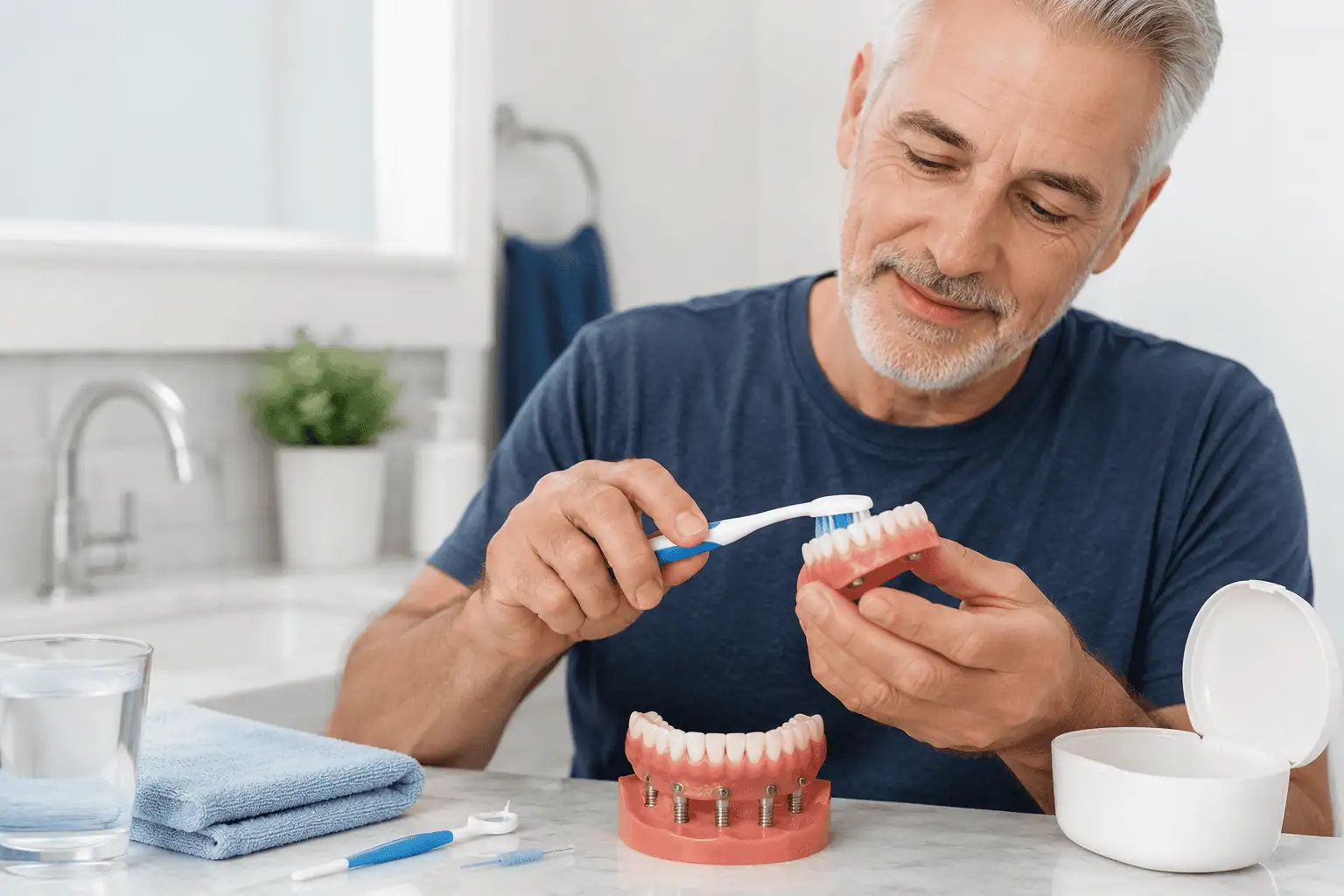
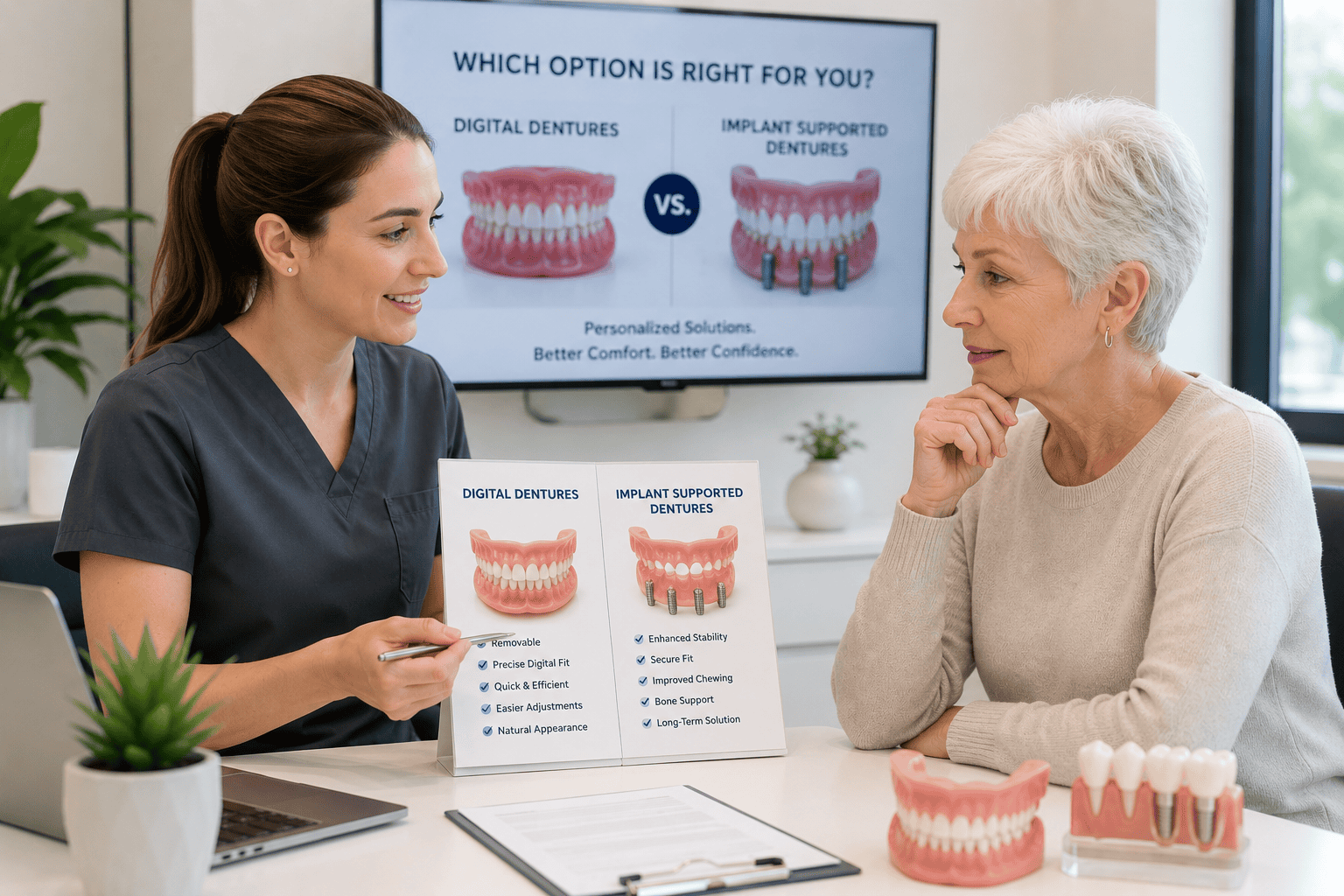
For patients whose biggest concern is movement and retention, particularly with a lower denture, implant supported dentures may also be worth discussing.
The right solution depends on the reason the current denture is no longer working well.
Implant Supported Dentures Can Still Be Designed Naturally
Choosing implant support does not mean sacrificing appearance.
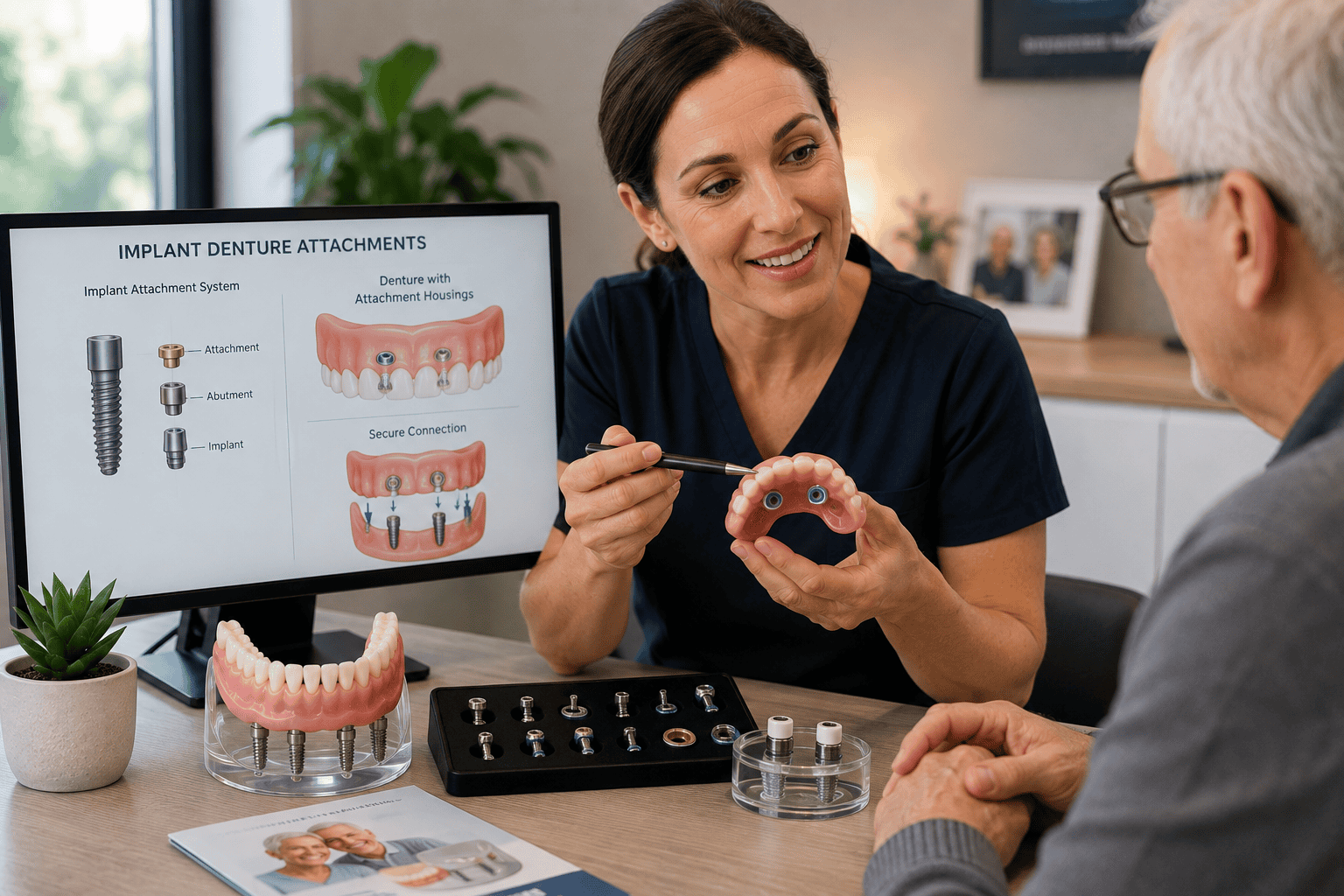
Implants primarily address retention and stability. The denture itself still needs to be designed with appropriate teeth, gum appearance, bite, and facial support.
Digital denture technology and implant support can work together.
The implant attachments can help secure the denture, while digital planning helps guide the appearance and design of the prosthesis.
This makes it possible to consider both stability and aesthetics as part of the same treatment plan.
Small Details Can Make the Biggest Difference
Natural-looking dentures are often successful because of subtle choices rather than one dramatic feature.
A slightly different tooth length can change how the smile relates to the lips. A softer shade may blend more naturally with the patient’s complexion. Small changes in tooth position can make the smile feel less uniform. Appropriate facial support can influence the entire lower portion of the face.
None of these decisions should be considered individually.
They work together.
That is why denture design requires both technology and professional judgment.
Digital tools provide more precision and greater control, but the final result still depends on understanding the person who will actually wear the denture.
Your Smile Should Still Feel Like Your Smile
The goal of new dentures should not be to give every patient the same smile.
A good denture should feel personal.
Some patients want their new teeth to look very similar to the smile they have always had. Others see the opportunity to make changes they have wanted for years.
Both approaches can work.
What matters is having a conversation about those expectations before the denture is completed.
If there are characteristics you particularly like or dislike, mention them during your consultation. Bring older photographs if there is a previous smile you would like to reference.
The more information available during the planning process, the easier it is to create a denture that feels intentional rather than generic.
Can Digital Dentures Look More Natural?
Digital dentures can provide excellent opportunities to create a natural-looking smile because the design process allows detailed planning of tooth position, arrangement, proportion, and overall appearance.
However, technology alone does not automatically create a natural result.
The best outcomes come from combining digital precision with careful tooth selection, appropriate facial support, accurate bite planning, professional experience, and the patient’s own preferences.
A denture should not simply replace missing teeth.
It should help restore a smile that feels comfortable to show.
Book a Digital Denture Consultation
If your current dentures look worn, feel outdated, or no longer give you confidence in your smile, it may be time to explore a more modern option.
Lower Mainland Denture Clinic provides digital dentures, complete dentures, partial dentures, relines, repairs, and implant-supported denture solutions tailored to individual needs.
With digital scanning and modern denture design, treatment can focus on more than simply replacing teeth. It can focus on creating a comfortable, functional, natural-looking smile that suits you.
Call 604-457-3763 to book a consultation and discuss your options for new digital dentures.