What Happens If Digital Dentures Are Lost or Damaged?
A Lost or Broken Denture Can Disrupt Daily Life Quickly
Dentures are part of a person’s everyday routine. They support eating, speaking, smiling, and feeling comfortable in social situations. When a denture is lost, cracked, or damaged beyond use, the impact can be immediate. Meals become harder to manage, speech may feel different, and many patients feel uncomfortable leaving the house without their usual smile.
This type of situation is stressful with any denture, but modern digital dentures can offer an important advantage. Because they are created through a digital design and fabrication process, important information about the denture may be retained as part of the patient’s digital records. Depending on the individual case and the records available, this can provide a useful starting point if the denture ever needs to be reproduced.
That does not mean a replacement can always be created instantly or without a new assessment. The mouth can change over time, and the current fit still needs to be evaluated carefully. However, having digital information available may make the replacement process more organized and efficient than rebuilding a denture entirely from the beginning.
Why Dentures Become Lost or Damaged
Denture problems do not always happen because someone was careless. Dentures are used every day, and accidents can happen in ordinary situations.
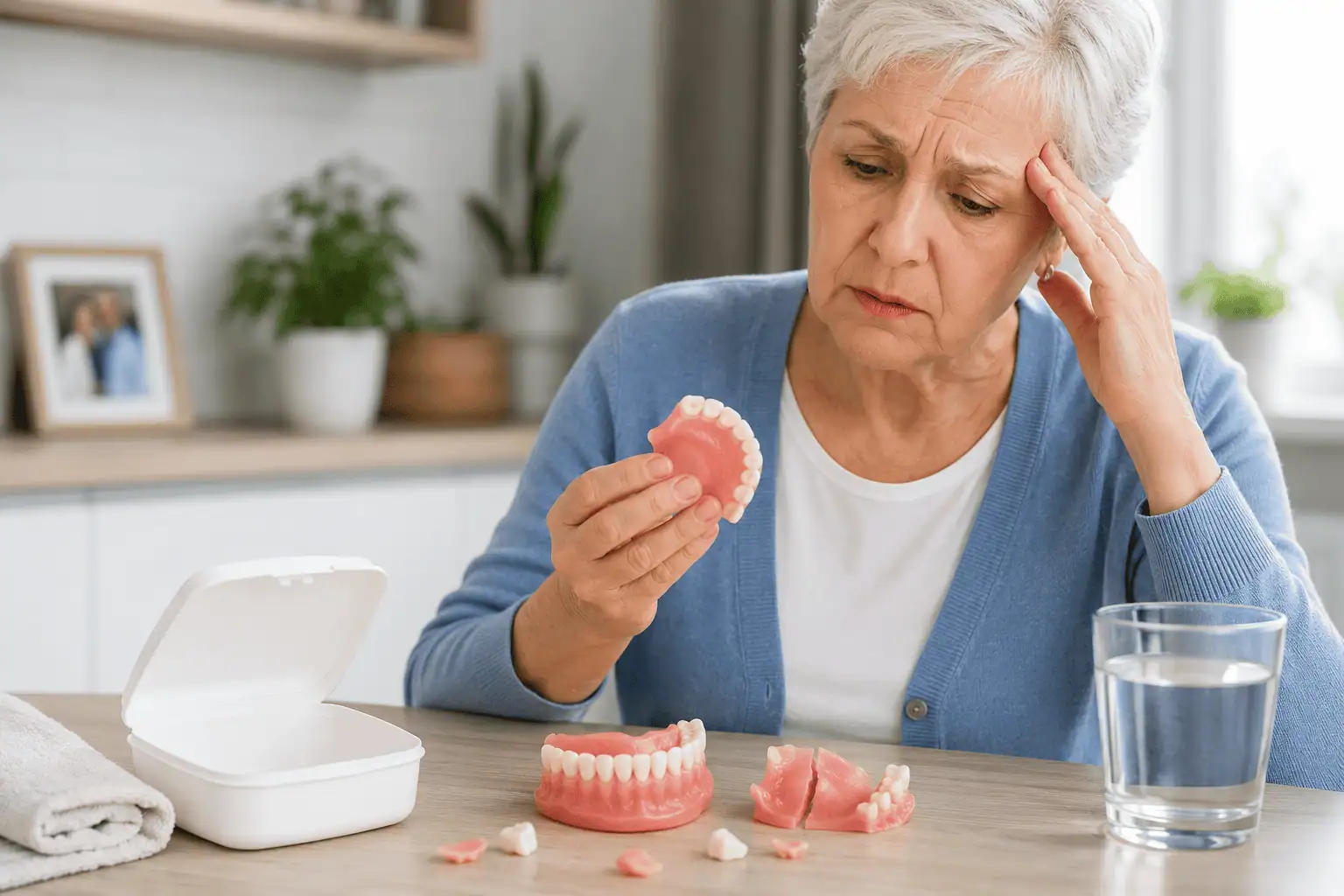
A denture may be dropped while being cleaned, damaged by a pet, wrapped in a napkin and accidentally thrown away, misplaced during travel, or fractured after years of wear. Some dentures develop a small crack that gradually becomes worse, while others break suddenly after hitting a hard surface.
Heat can also cause damage. Dentures should not be cleaned or soaked in very hot water because excessive heat may affect their shape. Using household chemicals or abrasive products can also damage the material or appearance.
Whatever the cause, the most important step is to avoid attempting a complicated repair at home. Household glue and do-it-yourself repair kits can change the fit, contaminate the denture, or make a professional repair more difficult. A proper assessment helps determine whether the denture can be restored safely or whether replacement is the better option.
The Difference Between a Repairable Denture and a Denture That Needs Replacement
Not every damaged denture needs to be replaced. Many cracks, fractures, and broken components can be professionally repaired, particularly when the pieces are available and the denture still fits appropriately.
A denture may be suitable for repair when:
- the damage is limited to a specific area
- the denture still fits properly before the accident
- the main structure remains in usable condition
- a tooth has loosened or broken away
- the denture has cracked but has not become severely distorted
Lower Mainland Denture Clinic provides same day denture repairs and relines for many unexpected denture problems. A prompt assessment can often prevent a small crack from spreading and becoming a larger fracture.
Replacement may be more appropriate when the denture is missing completely, badly distorted, repeatedly breaking, significantly worn, or no longer fitting properly. A denture that is already several years old may also be showing signs that the mouth and bite have changed enough to justify a new treatment plan.
The decision should be based on more than the visible damage. Comfort, fit, bite, age, wear, and overall function all need to be considered.
How Digital Denture Records Can Help
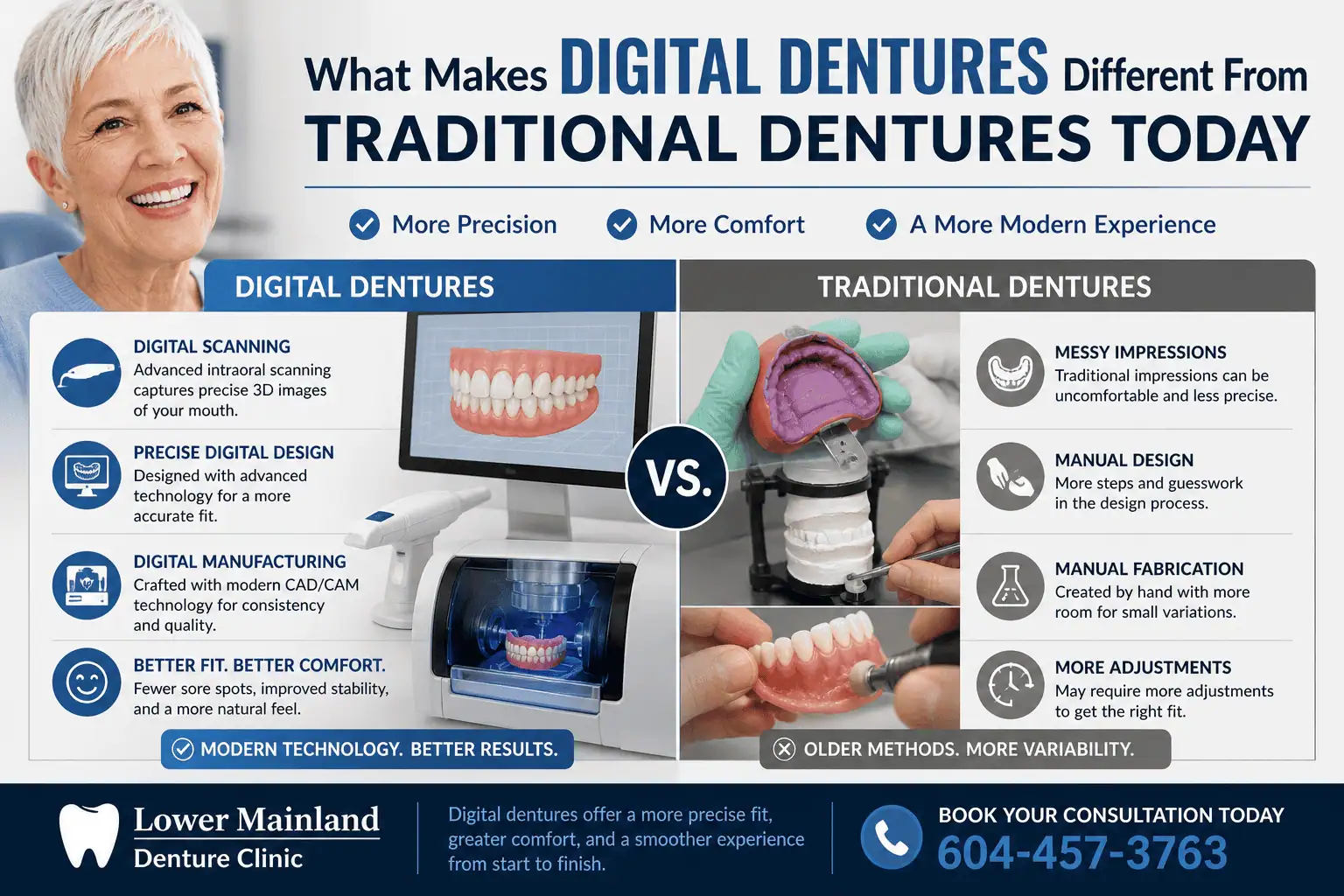
Traditional dentures are often created through a process that relies heavily on physical impressions, models, and manual laboratory steps. If the denture is later lost, much of that work may need to be recreated.
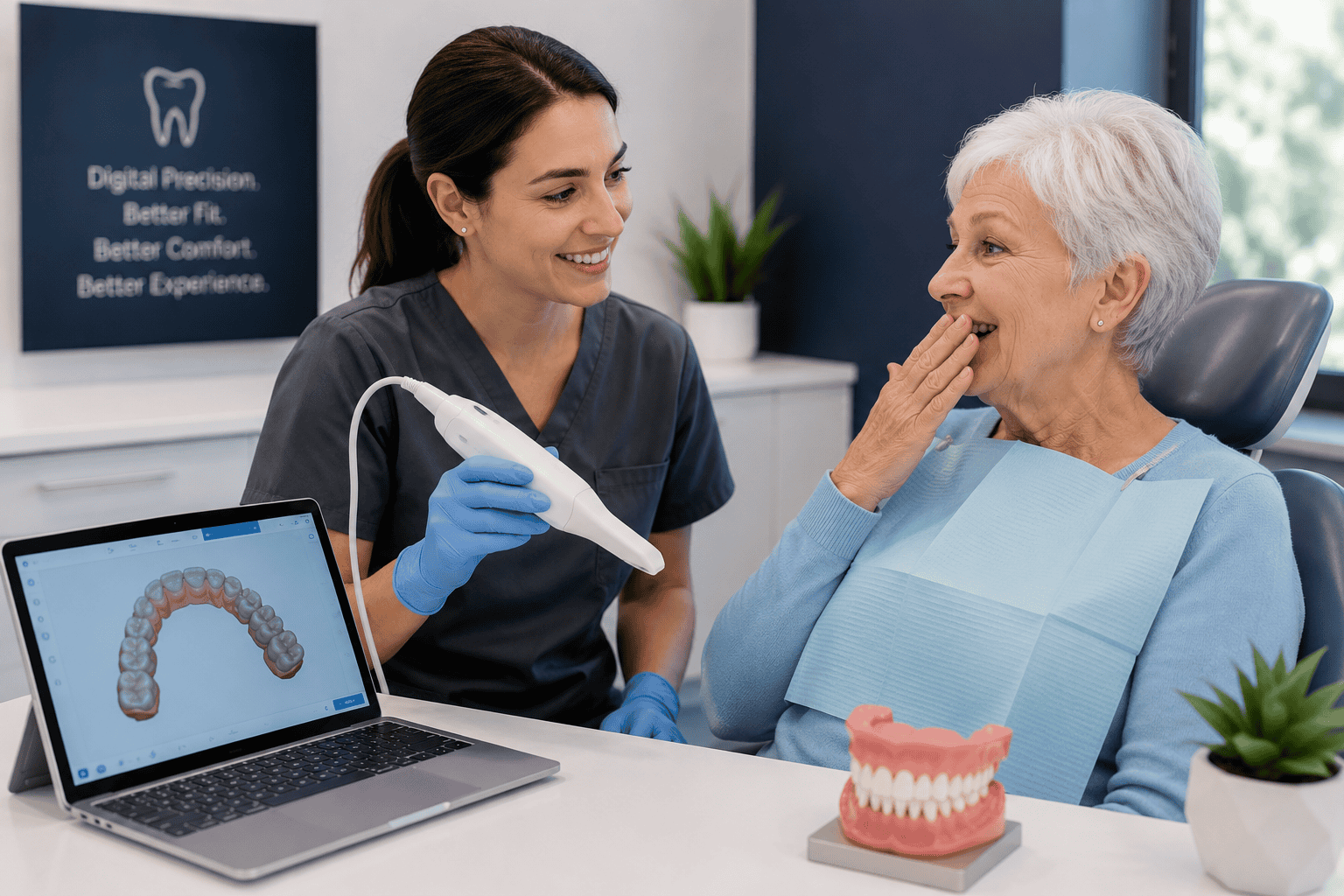
Digital dentures are different because the process can include digital scans, computer-aided design, and digitally stored information. These records may include details related to the denture’s shape, tooth arrangement, and overall design.
When useful digital records remain available, they can provide a reference for creating a replacement. This can be especially valuable when a patient was comfortable with the original appearance and tooth arrangement.
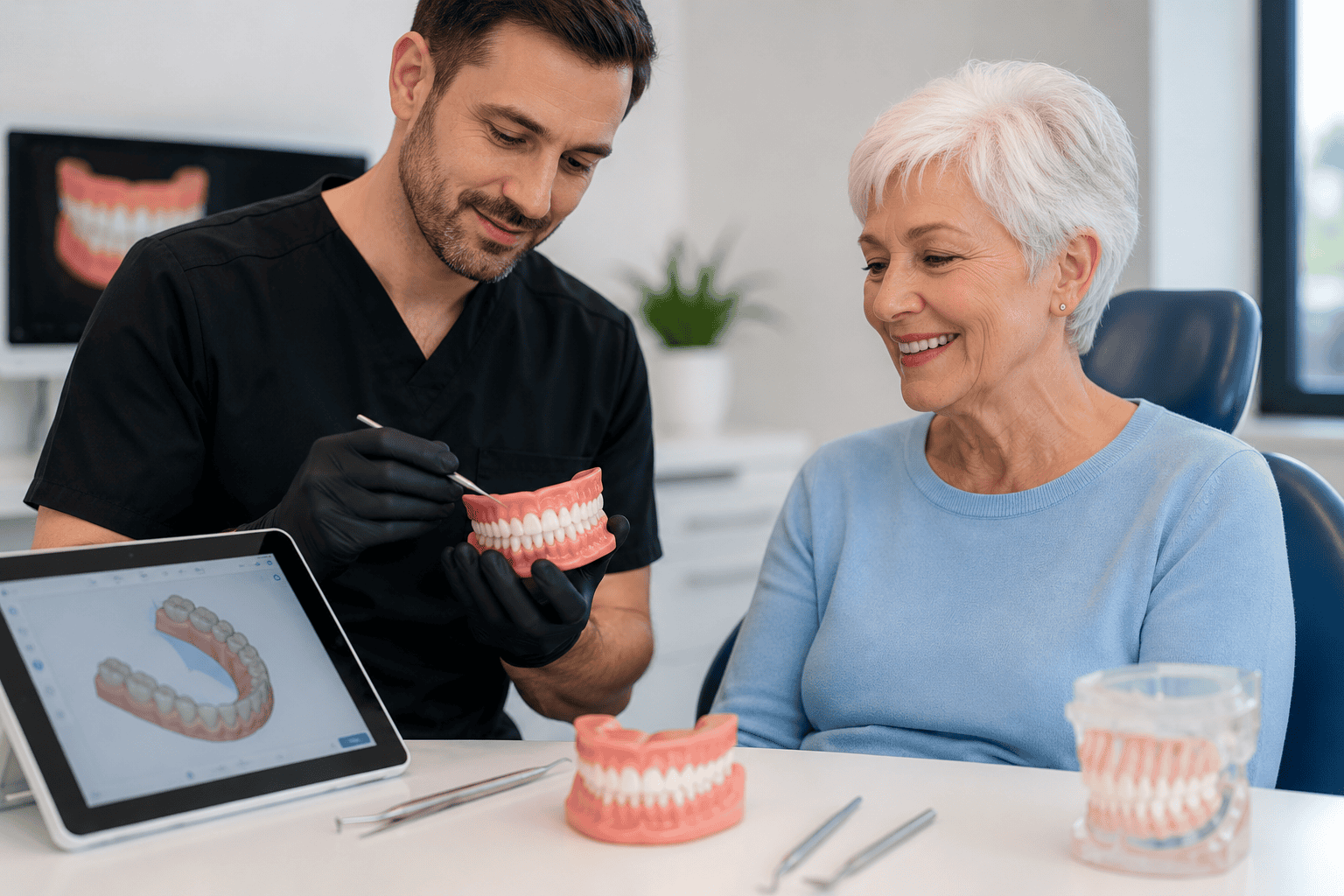
Instead of trying to remember every detail of the previous denture, the digital information may help preserve important parts of the design. The patient may still need to be scanned or assessed again, particularly if time has passed, but the replacement process does not necessarily have to begin with no information at all.
This ability to retain and reuse digital information is one of the practical long-term benefits of choosing digital dentures. Digital workflows are designed around detailed scanning, computer-aided planning, and a more precise fabrication process. A Replacement Still Requires a Proper Assessment
Digital records are helpful, but they do not remove the need for professional judgment. The mouth changes naturally over time. The gums and supporting tissues may change, and the bite may no longer be exactly the same as it was when the original denture was made.
For that reason, reproducing an older design without checking the current condition of the mouth would not always provide the best result.
A replacement appointment may include an assessment of:
- changes in the gums and supporting tissues
- the current bite relationship
- sore or sensitive areas
- changes in facial support
- the condition of any remaining natural teeth
- whether the previous denture had unresolved fit problems
- whether a different treatment option would now be more suitable
If the original digital denture was comfortable and was only recently lost or damaged, the existing design may remain a strong reference. If several years have passed, the digital files may still be useful, but updates may be needed to reflect the patient’s current mouth.
The goal is not simply to duplicate an old denture. The goal is to use the available information while still creating a denture that fits properly today.
What to Do Immediately After Losing Your Dentures
Losing dentures can create panic, but taking a few practical steps can help.
Begin by checking the places where dentures are commonly misplaced. Look near the bathroom sink, bedside table, dining area, cleaning container, travel case, and anywhere food was recently eaten. If the dentures were removed at a restaurant or care facility, contact the location as soon as possible.
Dentures are sometimes wrapped in tissues or napkins for protection and then discarded accidentally. Check garbage containers carefully before they are emptied, but use gloves and avoid handling unsafe materials directly.
Once it becomes clear that the dentures cannot be found, contact the clinic. Explain when they were lost, how old they were, whether they were digital dentures, and whether any previous fit concerns existed.
Avoid buying temporary products online without professional guidance. A poorly fitted temporary appliance may cause discomfort and may not provide appropriate function.
What to Do After a Denture Breaks
If the denture has broken, collect every piece you can find and place them in a clean container. Do not force broken pieces together, file rough edges, or apply glue.
Even when a home repair appears to hold, it may change the alignment of the denture. A small shift at the break can affect the bite and create pressure in areas that were not designed to carry it.
Contact the clinic and describe the damage clearly. Helpful details include:
- whether the denture is cracked or completely separated
- whether a tooth has broken away
- whether all pieces are available
- whether the denture was loose before it broke
- whether the damage occurred after being dropped
- whether there is any pain or irritation in the mouth
A professional inspection will determine whether a denture repair can restore the appliance or whether a replacement should be considered.
Why Repeated Breakage Should Not Be Ignored
A denture that keeps breaking may be revealing a larger problem. Repeated fractures can sometimes be connected to poor fit, uneven pressure, wear, changes in the bite, or stress being placed on a weakened area.
Repairing the same denture repeatedly without addressing the cause may only provide temporary relief.
If a denture has broken more than once, the assessment should look beyond the visible crack. The fit, bite, material condition, and age of the denture should all be reviewed.
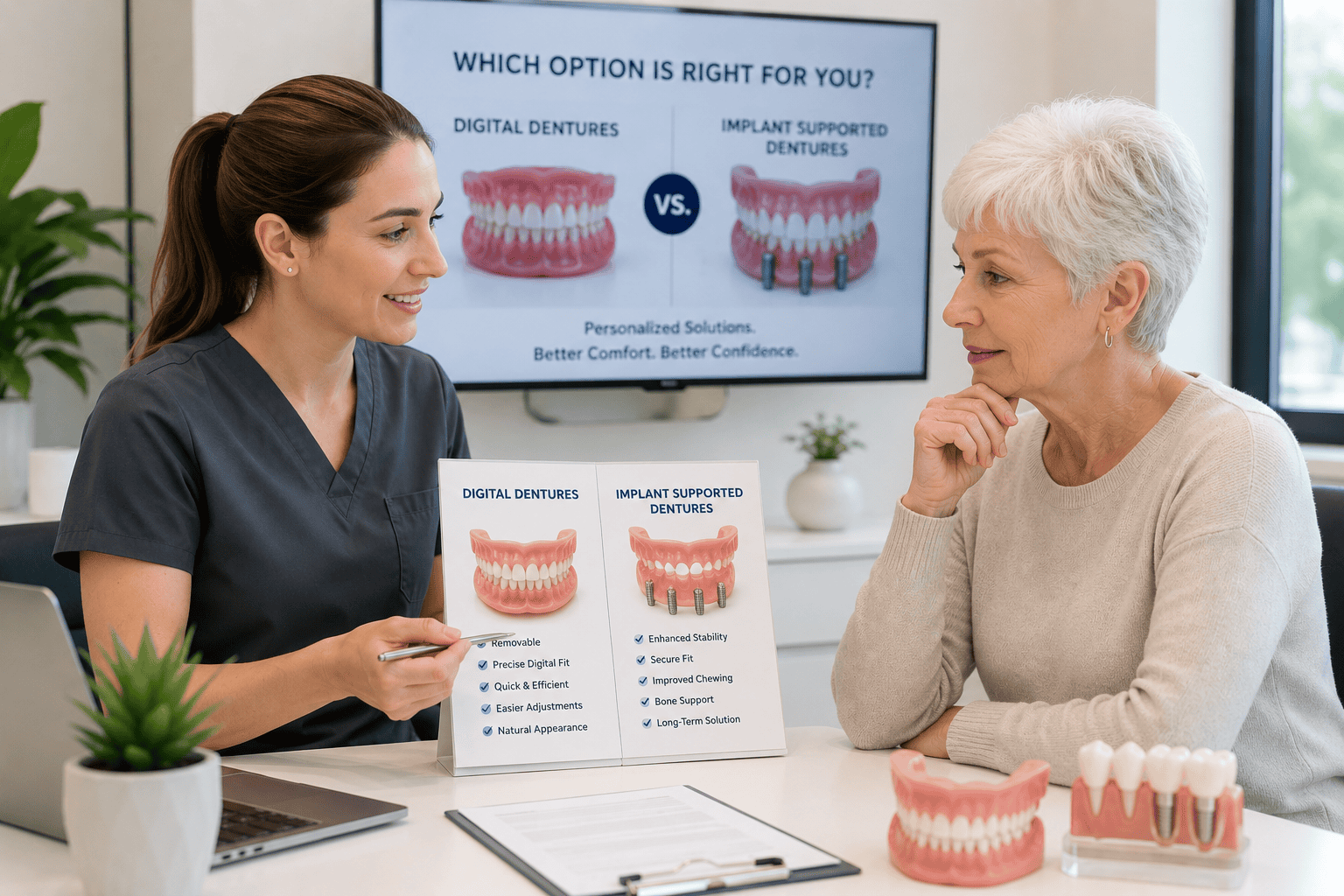
In some cases, a denture reline may improve the relationship between the denture and the gums. In other situations, replacing the denture with a digitally designed option may provide a better long-term result.
For patients whose main concern is severe movement or a lower denture that will not stay secure, implant-supported dentures may also be worth discussing.
Can a Digital Denture Be Recreated Exactly?
Patients often hope that a lost digital denture can simply be reproduced exactly as it was. In some situations, much of the previous design may be reusable. However, the final approach depends on the records available and whether the patient’s mouth has changed.
If the denture was created recently and fitted comfortably, recreating a similar design may be relatively straightforward. The digital tooth arrangement, shape, and other design details may provide a valuable foundation.
If the original denture had problems, reproducing it exactly would not necessarily be the right goal. The replacement is an opportunity to correct concerns such as looseness, uneven pressure, appearance, or bite.
The best replacement preserves what worked while improving what did not.
Digital Records May Provide Peace of Mind
Most people do not choose digital dentures because they expect to lose them. They choose them because of the potential for a precise fit, a modern treatment experience, and greater comfort.
Still, knowing that digital information may remain available can provide additional reassurance. The value of the digital process continues beyond the day the denture is delivered.
Those records may support:
- future replacement planning
- comparison if fit changes
- review of the original tooth arrangement
- more efficient communication with the laboratory
- easier updates when a new denture is needed
Digital records do not make dentures indestructible, but they can make unexpected situations easier to manage.
How to Reduce the Risk of Losing or Damaging Dentures
A few daily habits can help protect dentures.
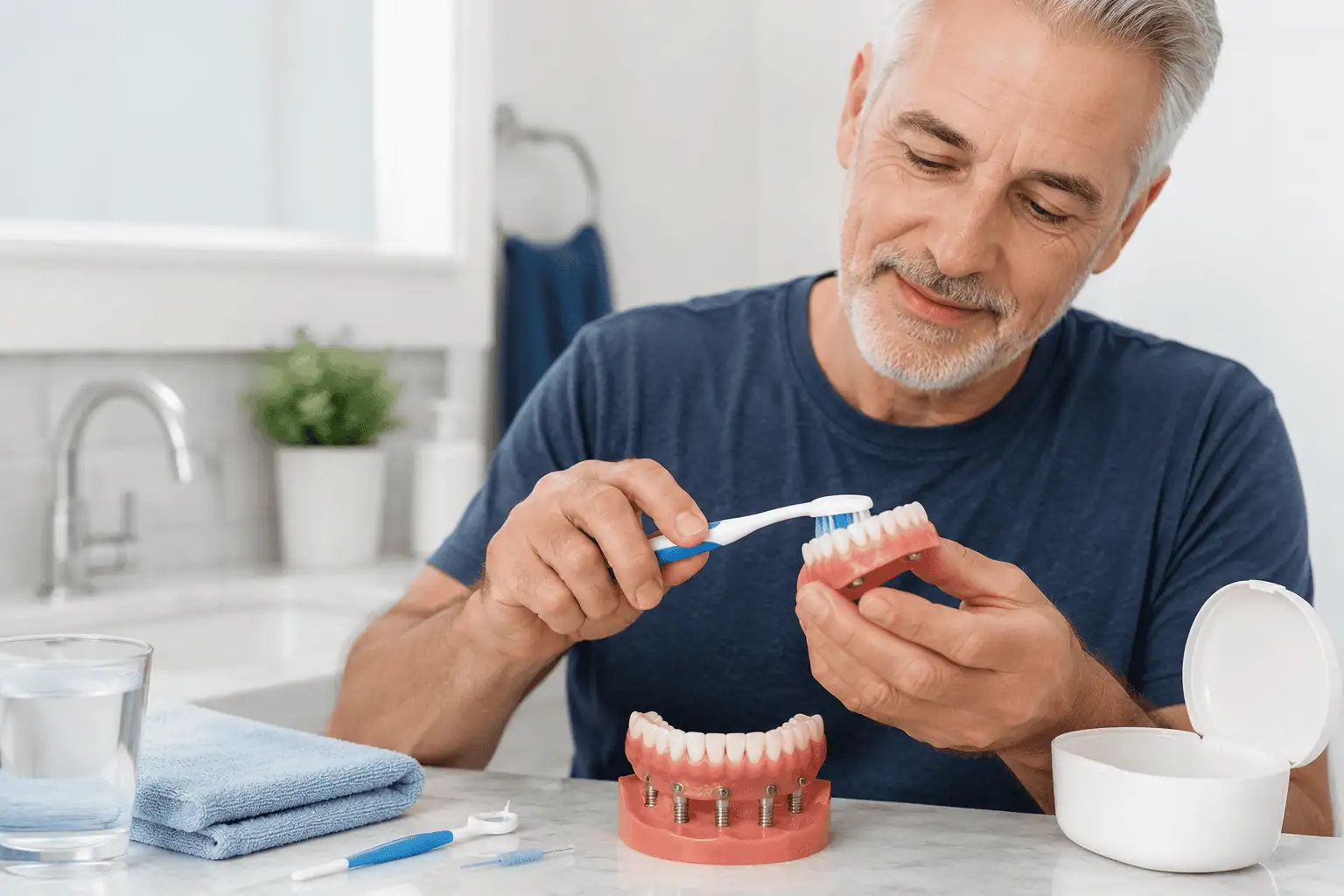
Always clean dentures over a folded towel or a sink partially filled with water. This creates a softer landing if they slip from your hands.
Store dentures in a clearly marked container when they are not being worn. Avoid wrapping them in tissues, paper towel, or napkins, especially during meals or travel.
Keep dentures away from pets. Dogs are often attracted to dentures because of their scent and can damage them quickly.
Use a protective case when travelling. Do not place dentures loose in luggage, pockets, or handbags.
Follow the recommended cleaning routine and avoid hot water, harsh chemicals, and abrasive household products.
Regular denture assessments are also important. Small cracks, worn areas, and changes in fit are easier to manage when they are identified early.
When Replacement Can Become an Opportunity for Improvement
Losing or damaging dentures is never convenient, but replacement can provide an opportunity to address concerns that were already developing.
The previous denture may have been loose. It may have required frequent adhesive, created sore spots, or looked more worn than the patient realized. The bite may have changed gradually, or the teeth may no longer have provided the same appearance and support.
A new digital denture can be planned around the patient’s current needs rather than simply recreating an appliance that was no longer performing well.
This may include improving:
- fit and comfort
- tooth shape and arrangement
- facial support
- bite alignment
- overall appearance
- stability during speaking and eating
- ease of future maintenance
A replacement should restore more than the physical denture. It should restore confidence in daily life.
Book a Consultation With Lower Mainland Denture Clinic
If your dentures have been lost, cracked, or damaged, contact Lower Mainland Denture Clinic before attempting a home repair. The clinic provides digital dentures, same day denture repairs and relines, denture relines, complete dentures, and implant-supported dentures.
Call 604-457-3763 to arrange an assessment and determine whether your denture can be repaired or whether a digitally planned replacement is the better solution. Lower Mainland Denture Clinic is located at 12460 191 Street, Unit C2, Pitt Meadows, British Columbia.