
How to Know Whether Digital Dentures or Implant Supported Dentures Are Right for You
Two Modern Options, but Not the Same Solution
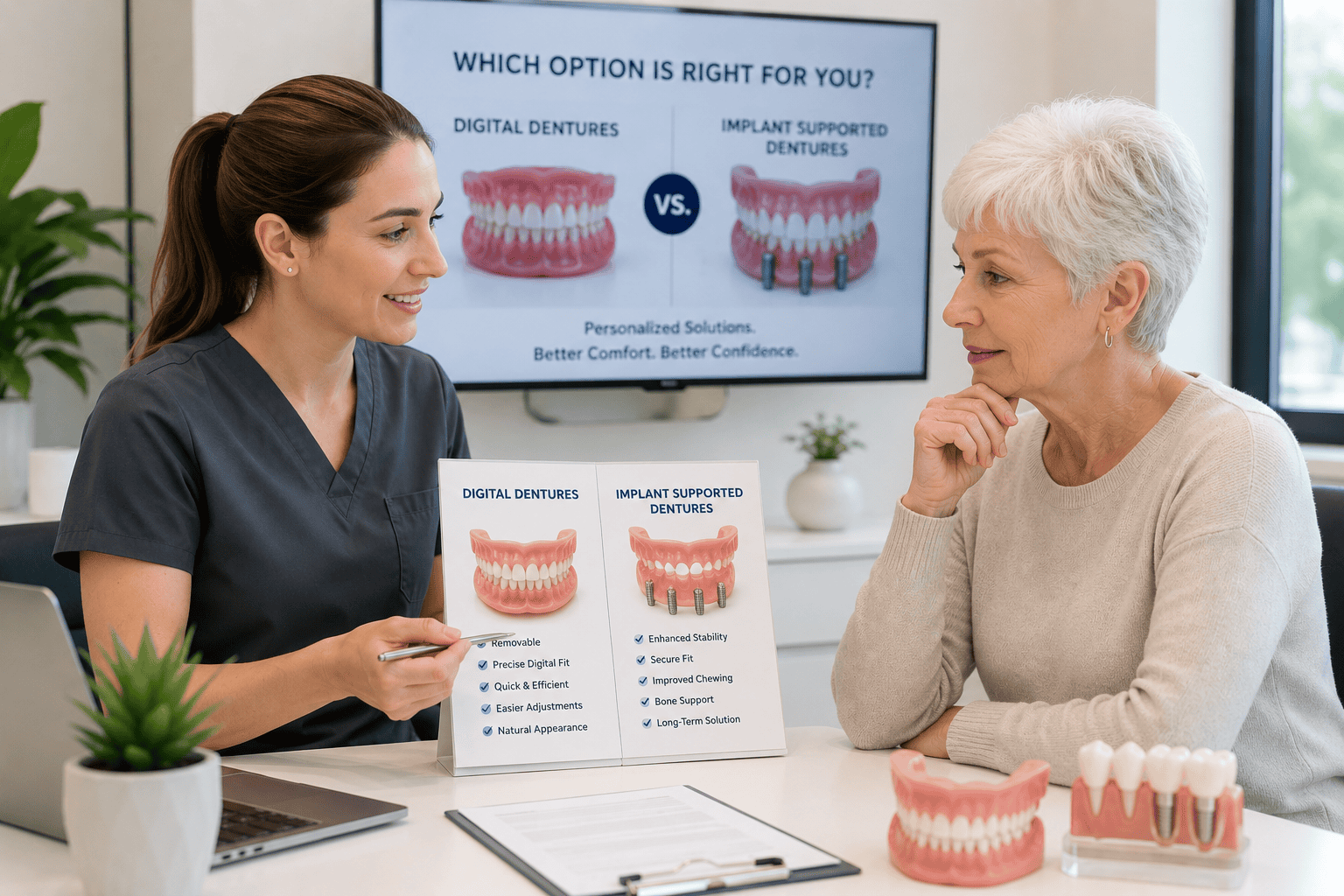
Modern denture care offers more than one path to a better result. For patients who want a more comfortable, stable, and natural-looking outcome, two of the most important options are digital dentures and implant-supported dentures. Both can improve the denture experience, but they do so in different ways.
That is where many patients begin to feel unsure. They hear that digital dentures are more precise and modern. They hear that implant-supported dentures are more stable and secure. Both are true, but they address different priorities. One focuses heavily on improving the denture process and fit through digital technology. The other focuses on improving denture retention and stability through implant support.
The goal is not to decide that one is always better than the other. The goal is to understand what problem you are really trying to solve.
What Digital Dentures Are Designed to Improve
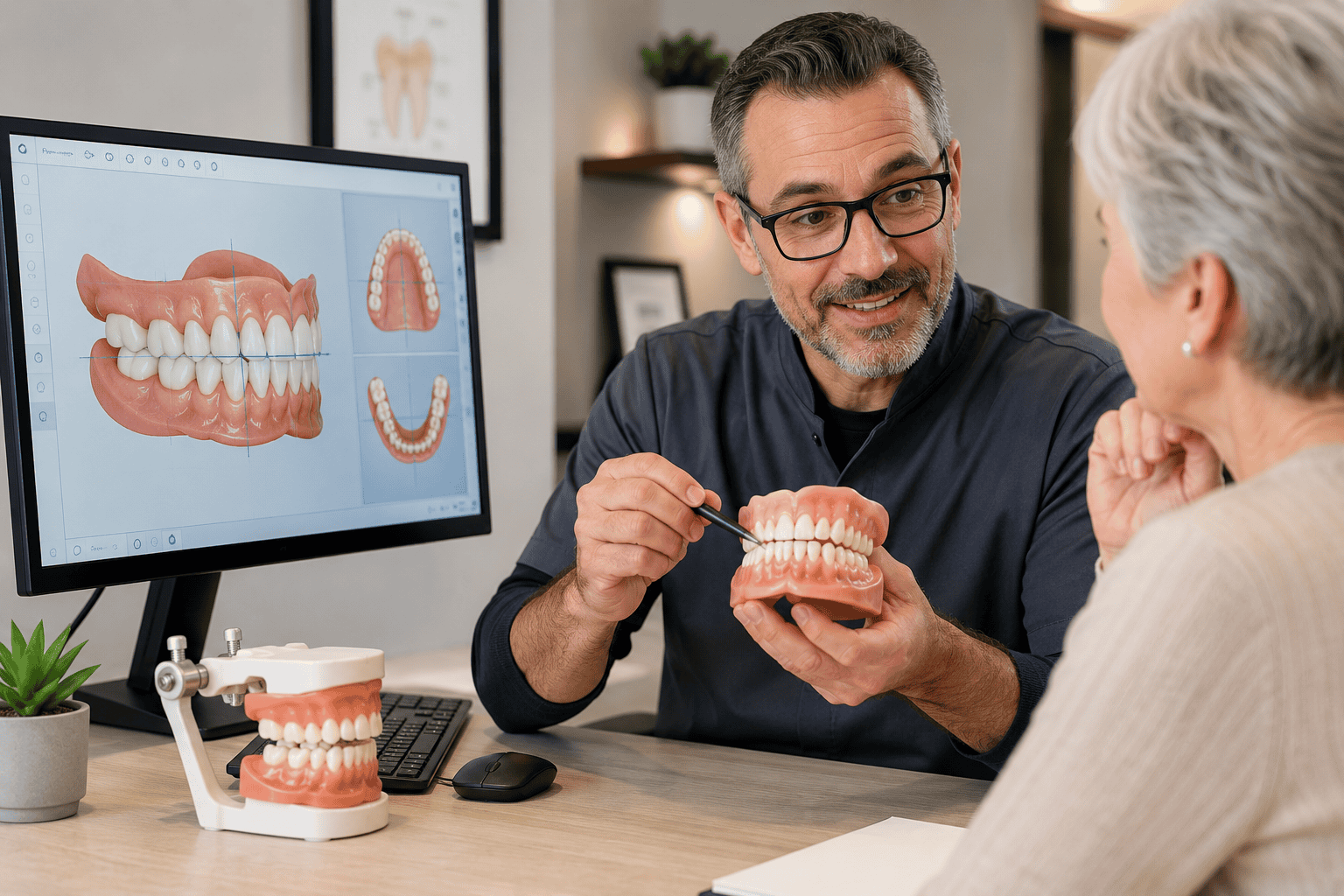
Digital dentures are built around a more modern workflow. Instead of relying only on older manual methods, the process uses digital scanning, digital records, and more precise design and fabrication techniques. That matters because dentures are only as good as the information and planning behind them.
For many patients, the biggest advantage of digital dentures is precision. A more accurate process can support a better fit, a more comfortable feel, and a smoother overall treatment experience. It can also make the process feel more current and easier to trust, especially for patients who disliked traditional impressions or had a poor experience with older denture methods.
Digital dentures are often a strong option for patients who want better fit, better comfort, and a more advanced process from the beginning.
What Implant Supported Dentures Are Designed to Improve
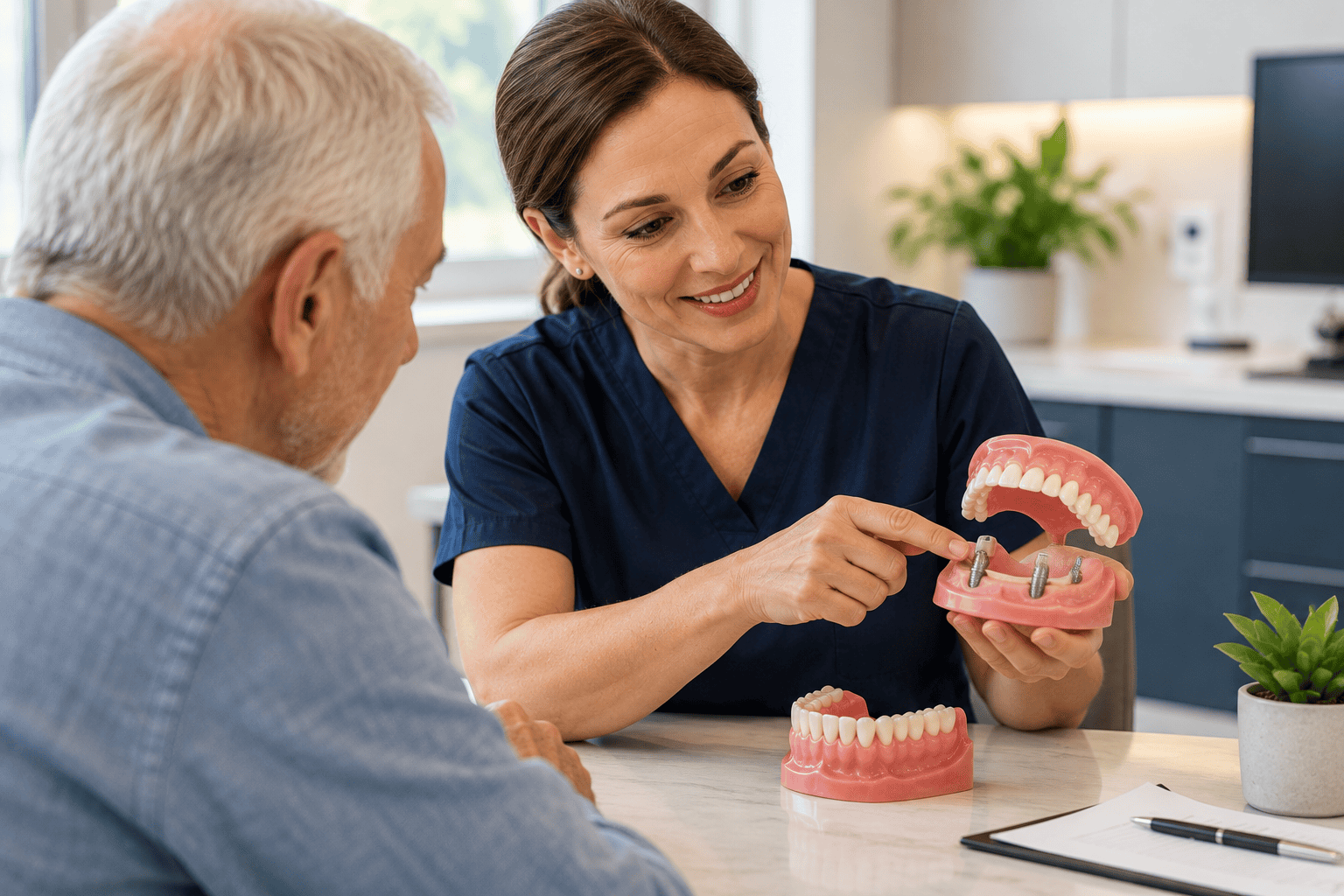
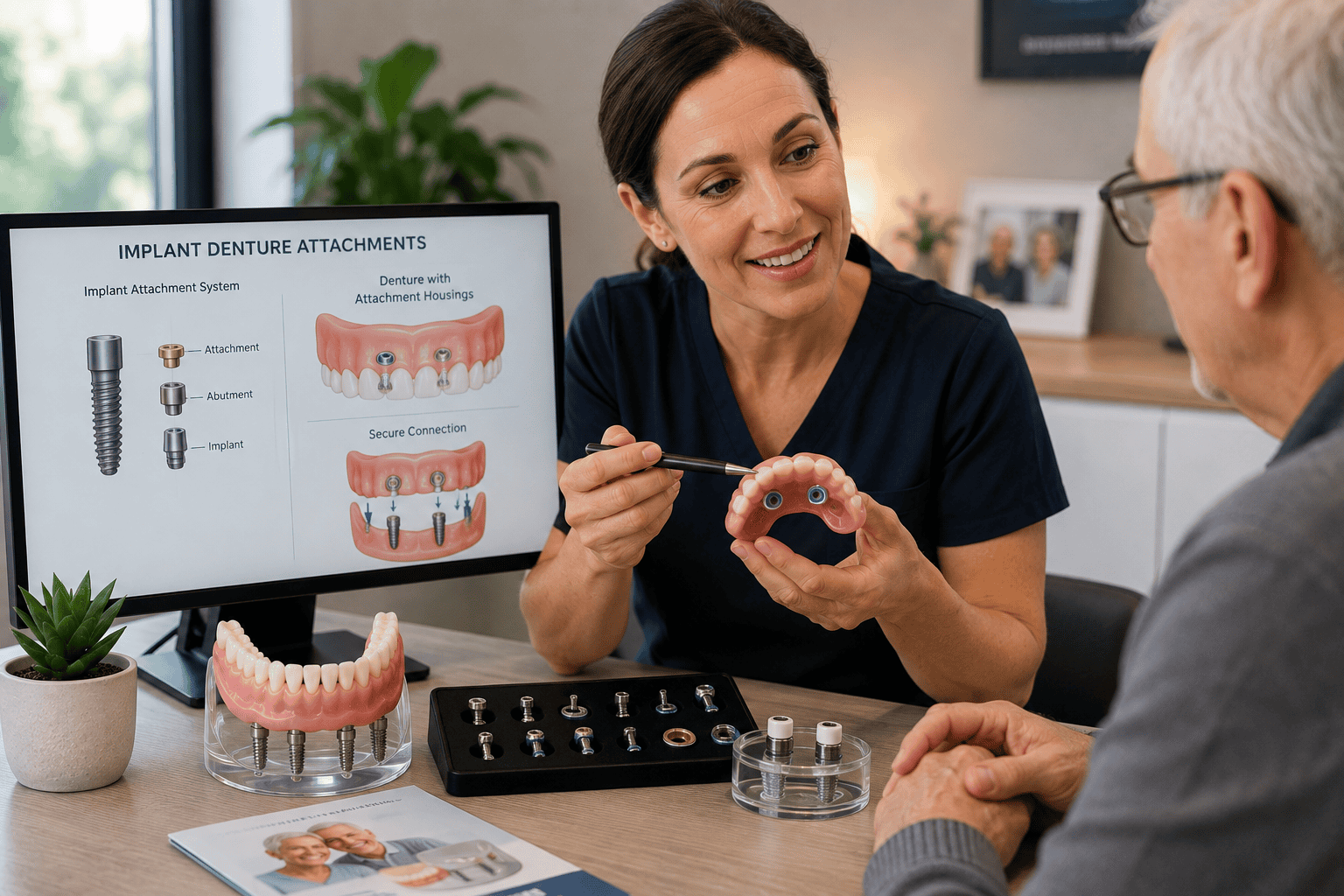
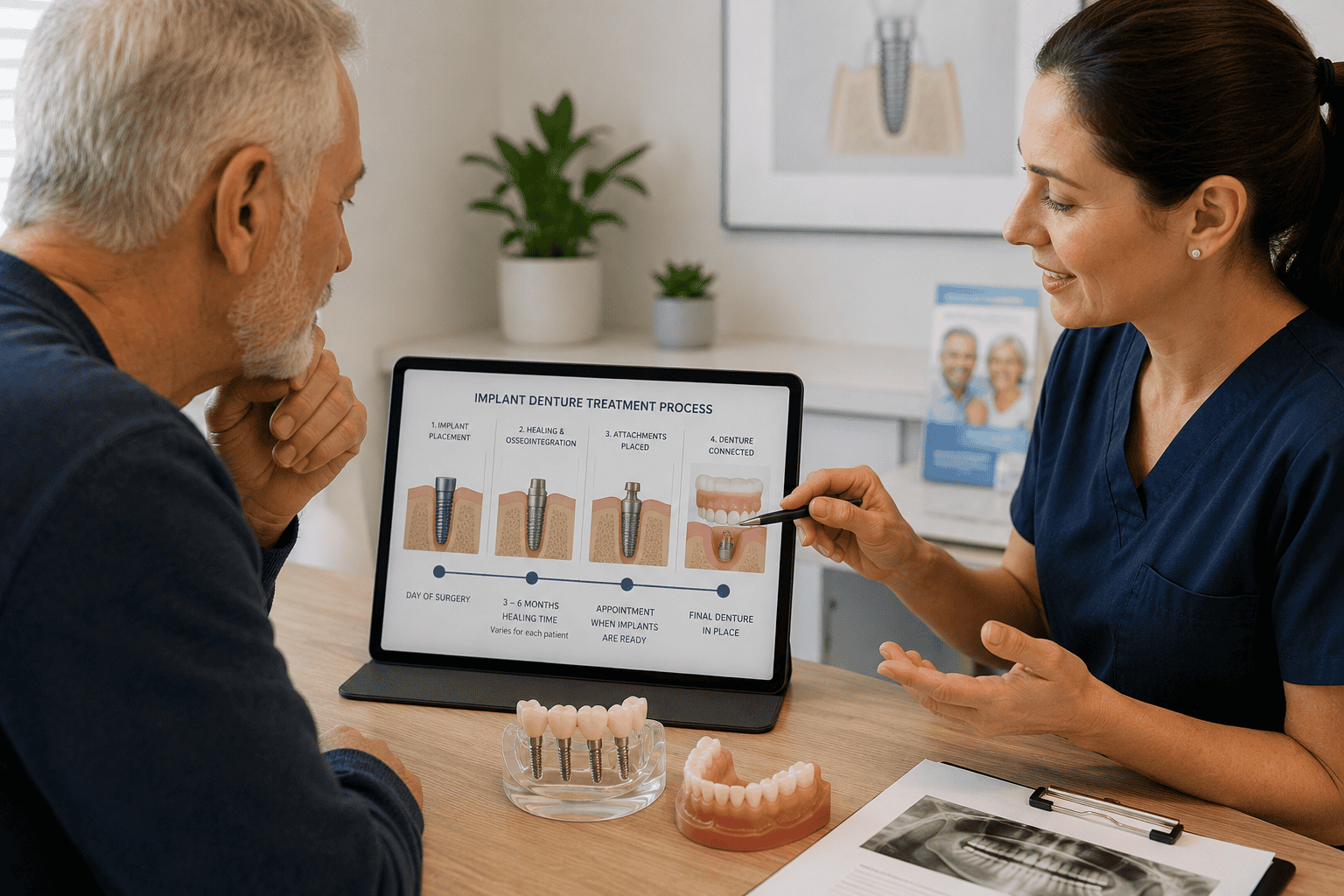
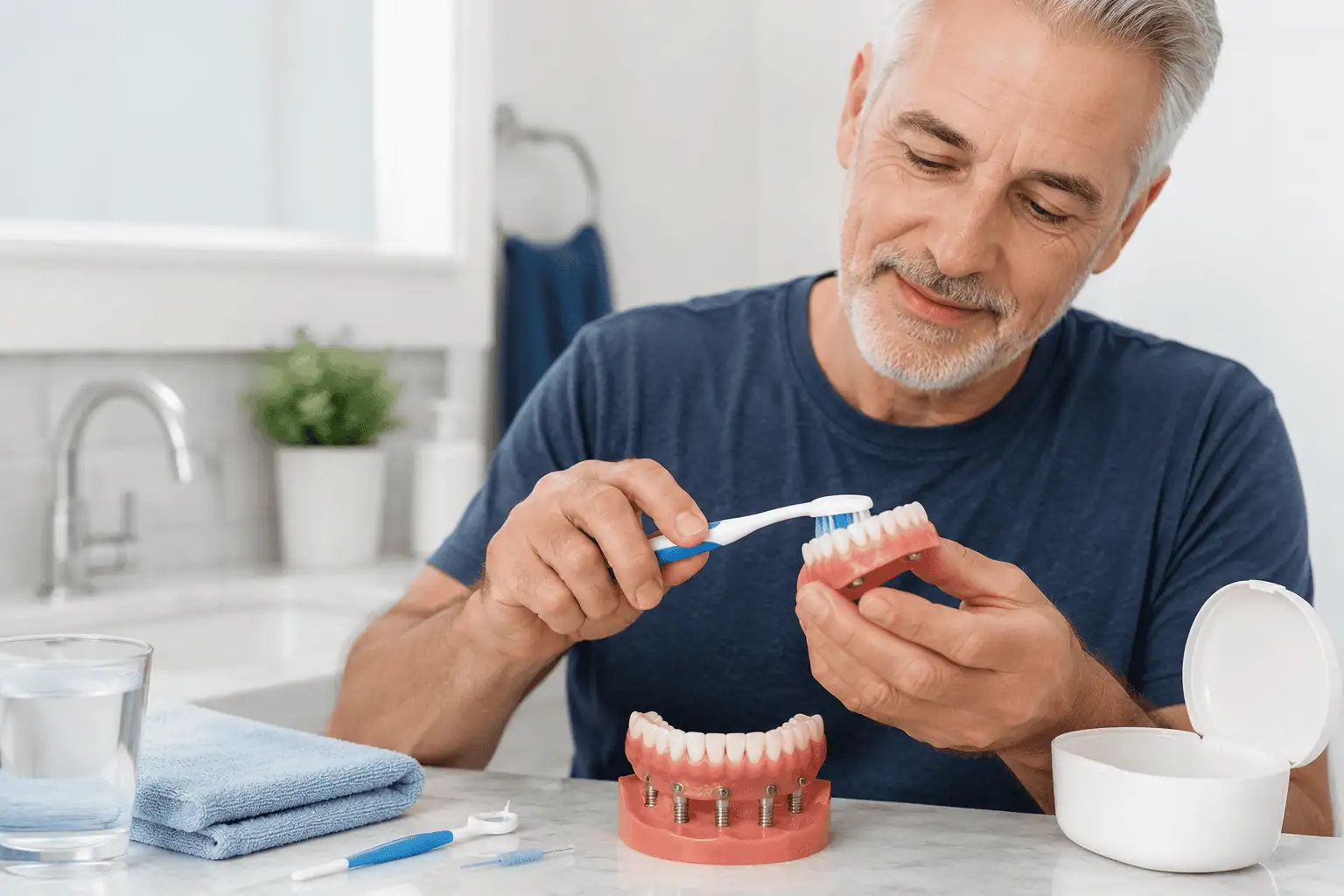
Implant-supported dentures solve a different problem. Their main purpose is to improve stability by connecting the denture to dental implants placed in the jaw. That added support can make a denture feel much more secure, especially in the lower arch where movement is often the biggest complaint.
For patients whose main frustration is that the denture shifts, lifts, or feels unreliable while eating or speaking, implant support may be the more important conversation. A denture that snaps into place on implants can provide a much stronger sense of retention than a removable denture resting only on the gums.
This can make a major difference in daily life. Meals often feel easier. Speech can feel more natural. Confidence often improves because the denture feels more secure throughout the day.
When Digital Dentures May Be the Better Fit
Digital dentures may be the right direction when the biggest priorities are precision, comfort, and a more modern denture process. They can be especially appealing for patients who:
- want to avoid older impression methods
- want a more digitally driven treatment experience
- have had dentures before and were unhappy with fit
- want a denture that feels more refined from the beginning
- are getting dentures for the first time and want a more modern process
For these patients, the issue is often not just whether they need dentures. It is how they want the denture process to feel and how much importance they place on accuracy and comfort from the start.
Patients in this category are often also comparing complete dentures with digital dentures because they want to understand which approach gives them the strongest balance of comfort and fit.
When Implant Supported Dentures May Be the Better Fit
Implant-supported dentures may be the better direction when the biggest concern is stability. They are often worth serious attention for patients who:
- struggle to keep a lower denture in place
- feel their denture moves too much during meals
- feel less confident speaking because of denture movement
- want more security in daily life
- are tired of living with looseness and instability
In these cases, the biggest problem is usually not the general denture process itself. The biggest problem is that the denture does not feel dependable enough once it is in the mouth. Implant support addresses that problem directly.
This is especially relevant for lower dentures, which are often more difficult to keep stable than upper dentures. For patients who feel their lower denture never quite stays where it should, implant support can be a very meaningful upgrade.
Sometimes the Best Answer Depends on the Real Source of the Problem
This is where many patients benefit from stepping back and asking a more useful question. Is the biggest issue fit, or is the biggest issue retention?
If the denture feels inaccurate, uncomfortable, or frustrating from the very beginning, digital dentures may be the more appropriate direction. If the denture mainly feels loose and unstable, especially in the lower arch, implant-supported dentures may deserve stronger consideration.
There are also cases where the issue is not a brand new denture at all. Some patients may still do well with their current denture but need a denture reline or same day denture repairs and relines to restore a better fit. That is why proper assessment matters so much. The right solution depends on identifying the actual source of the frustration rather than assuming every problem needs the same fix.
Digital Dentures and Implant Support Are Not Opposites
One of the most important things patients should understand is that these two options do not compete in a simple way. Digital dentures and implant-supported dentures are not opposite choices where one cancels out the other. In many cases, they can work together as part of a more modern treatment plan.
A patient may want the precision and comfort that come from a digital denture process while also wanting the extra stability that implants provide. In that situation, both conversations may be relevant. The denture can be planned with modern digital technology while also being supported in a more secure way through implants.
That is one reason modern denture care is so different from the past. Treatment is no longer limited to one path. Patients now have more ways to improve both the process and the final result.
First-Time Denture Patients Often Prioritize the Process
Patients getting dentures for the first time are often especially focused on how the journey will feel. They want to know whether the process will be uncomfortable, whether the dentures will look natural, and whether they will be able to adapt successfully.
For these patients, digital dentures can be very appealing because the process feels more modern and more precise from the start. It often feels less like an older medical procedure and more like current, technology-driven care.
That does not mean first-time patients never need implants. Some certainly may. But many first-time patients begin by focusing on comfort, fit, and the experience of getting dentures, which is why digital dentures often attract their attention first.
Patients Replacing Older Dentures Often Prioritize Stability
Patients who have worn dentures for years often have a different perspective. They already know what dentures feel like. They may be less concerned about the process and more concerned about whether their next denture will finally feel secure enough to trust.
For these patients, implant-supported dentures are often a major point of interest because they address the problem many long-term denture wearers complain about most: movement. If the denture has felt unreliable for years, better retention can matter even more than the rest of the process.
At the same time, these patients may also be interested in digital dentures if they want a more precise and modern replacement than what they had before. This is why an individualized consultation is so important. Priorities can overlap.
Comfort and Confidence Can Come From Different Directions
One of the reasons patients become uncertain is that both digital dentures and implant-supported dentures can improve comfort and confidence. They simply do it in different ways.
Digital dentures often improve comfort by improving precision and reducing common fit frustrations. Implant-supported dentures often improve comfort by improving security and reducing unwanted movement. Both can help confidence, but the path to that confidence is not the same.
Understanding that difference can make the decision much clearer. If your confidence drops because the denture feels inaccurate or uncomfortable, digital dentures may be the more important conversation. If your confidence drops because the denture feels unstable, implant support may be the more important one.
The Best Treatment Is the One That Matches Your Goals
There is no single answer that works for everyone. Some patients want the most modern process possible. Some want the most secure lower denture possible. Some need a combination of both. Others may not need a full replacement at all and may be better served by relining or adjusting what they already have.
The right decision should always come back to your goals. Do you want a more precise and modern denture process? Do you want a denture that feels more secure in daily life? Do you want both? Those questions matter more than choosing based on labels alone.
The best result usually comes from matching the treatment to the patient rather than trying to fit every patient into the same plan.
Book a Consultation With Lower Mainland Denture Clinic
If you are trying to decide between digital dentures and implant-supported dentures, Lower Mainland Denture Clinic offers both as part of a more modern denture care approach. The clinic also provides complete dentures, denture relines, same day denture repairs and relines, and other denture solutions based on your needs.
Call 604-457-3763 to book a consultation and find out whether digital dentures, implant-supported dentures, or another treatment option is the right next step for your comfort, fit, and confidence.