
How Do You Know When Your Dentures Are Too Old to Keep Repairing?
Dentures are designed to be durable, but they are not meant to last forever without changes. Over time, the denture teeth can wear down, the fit can become less accurate, the bite can change, and the gums and supporting tissues underneath the denture can continue to change shape. Because these changes usually happen gradually, many patients adapt to them without realizing how much their dentures have actually deteriorated.
A repair or reline can sometimes restore comfort and function, especially when the denture is otherwise in good condition. But there is a point where continuing to repair an aging denture may no longer be the best solution. If the appliance is repeatedly cracking, the teeth are badly worn, the bite no longer feels balanced, or the denture is no longer supporting the face properly, replacement may provide a better long-term result.
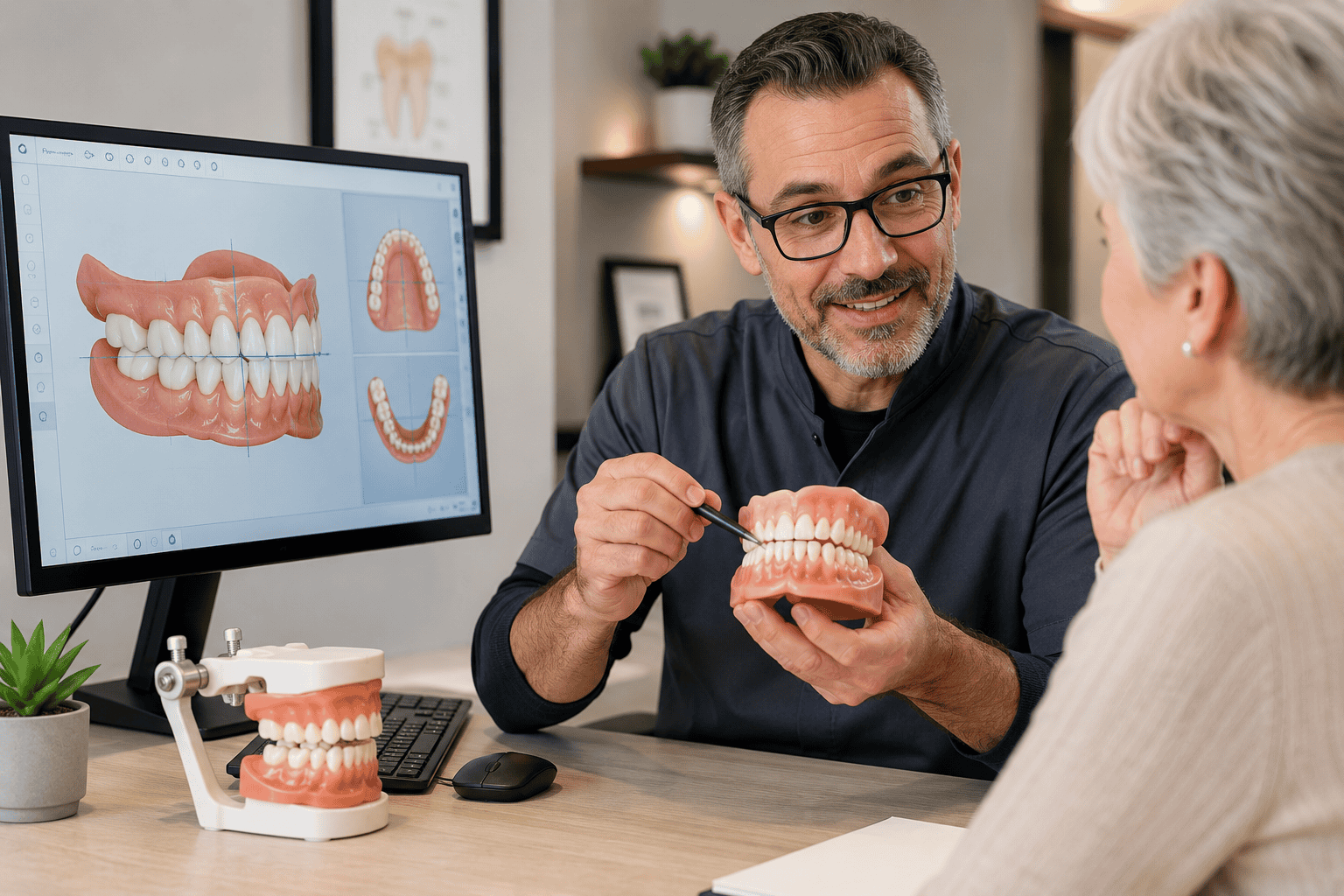
Modern digital dentures also give patients the opportunity to replace an older appliance with a more precise and carefully planned option using digital scanning and computer-assisted design.
Dentures Change as the Mouth Changes
One of the reasons dentures eventually stop fitting properly is that the mouth itself does not stay exactly the same.
After natural teeth are lost, the shape of the gums and supporting bone can gradually change. A denture that fit closely when it was first made may become looser as those tissues change underneath it. This can happen even when the denture itself has not broken.
Patients often compensate by using more adhesive, chewing differently, or simply getting used to movement. Over time, this can make it difficult to remember what a properly fitting denture is supposed to feel like.
A denture reline can sometimes help when the main problem is that the denture no longer fits the current shape of the gums. However, relining does not correct every problem. If the denture is very old, worn, cracked, or has an outdated bite, adding new material to the underside may not be enough.
Repeated Repairs Can Be a Warning Sign
A single crack or broken tooth does not automatically mean a denture needs to be replaced.
Accidents happen. A denture may be dropped, a tooth may chip, or a small fracture may develop in an otherwise serviceable appliance. In these situations, a professional denture repair may restore the denture successfully.
The concern begins when the same denture requires repairs again and again.
Repeated fractures can sometimes indicate that the denture is under stress because of poor fit, an uneven bite, worn materials, or changes in the mouth. Repairing the visible break may solve the immediate problem, but if the underlying cause remains, the denture may continue to fail in the same area or somewhere else.
At that point, replacement may become more practical than continuing to patch an appliance that is no longer functioning as it should.
Worn Denture Teeth Can Change the Bite
Denture teeth gradually wear with use.
This is especially important because the bite depends on the upper and lower teeth meeting in a controlled way. As the chewing surfaces flatten and change shape, the way the dentures contact each other can also change.
The patient may begin to notice that chewing feels different, the jaw has to search for a comfortable closing position, or one side seems to contact before the other. Some people also notice more denture movement during meals because the bite is no longer distributing pressure as evenly as it once did.
Repairing a crack will not restore badly worn teeth or correct a bite that has changed significantly over time.
A new denture allows the tooth position, bite relationship, and chewing surfaces to be planned again based on the patient’s current mouth.
The Denture May Be Repairable but Still No Longer Be a Good Denture
One of the most important distinctions is the difference between something being technically repairable and being worth repairing.
A very old denture may be possible to repair, but that does not mean the repair will restore good function.
For example, a denture may have a crack that can be fixed, but the teeth may also be heavily worn, the fit may be poor, and the appearance may have changed significantly. Repairing the crack addresses only one small part of the overall problem.
This is why a professional assessment matters.
The question should not simply be, “Can this be fixed?”
The better question is, “Will repairing this denture give you a comfortable, functional result that makes sense long term?”
Frequent Sore Spots May Mean the Denture Is No Longer Working Properly
Occasional sore areas can occur with dentures, particularly after a new appliance is delivered or after changes in the mouth.
Repeated soreness is different.
If the same areas become irritated again and again, the denture may be moving, applying uneven pressure, or no longer fitting the supporting tissues properly.
Patients sometimes try to manage this by avoiding certain foods or leaving the denture out for longer periods. Others continue returning for small adjustments.
Adjustments can be helpful, but if the underlying denture is too old or unstable, repeated grinding and modification may eventually reach a point where replacement is the better option.
A new denture can be designed around the current shape of the mouth rather than continuing to modify a structure that was made for the mouth years earlier.
More Adhesive Is Not Always the Answer
Denture adhesive can be useful for some patients, but needing increasing amounts to keep an old denture in place can be a sign that the fit has changed.
A properly fitting denture should not depend entirely on heavy amounts of adhesive to remain usable.
If more and more adhesive is needed, the first step should be to have the fit assessed.
Sometimes a reline can improve the situation.
In other cases, the denture may simply be too old, too worn, or too poorly adapted to justify further modification.
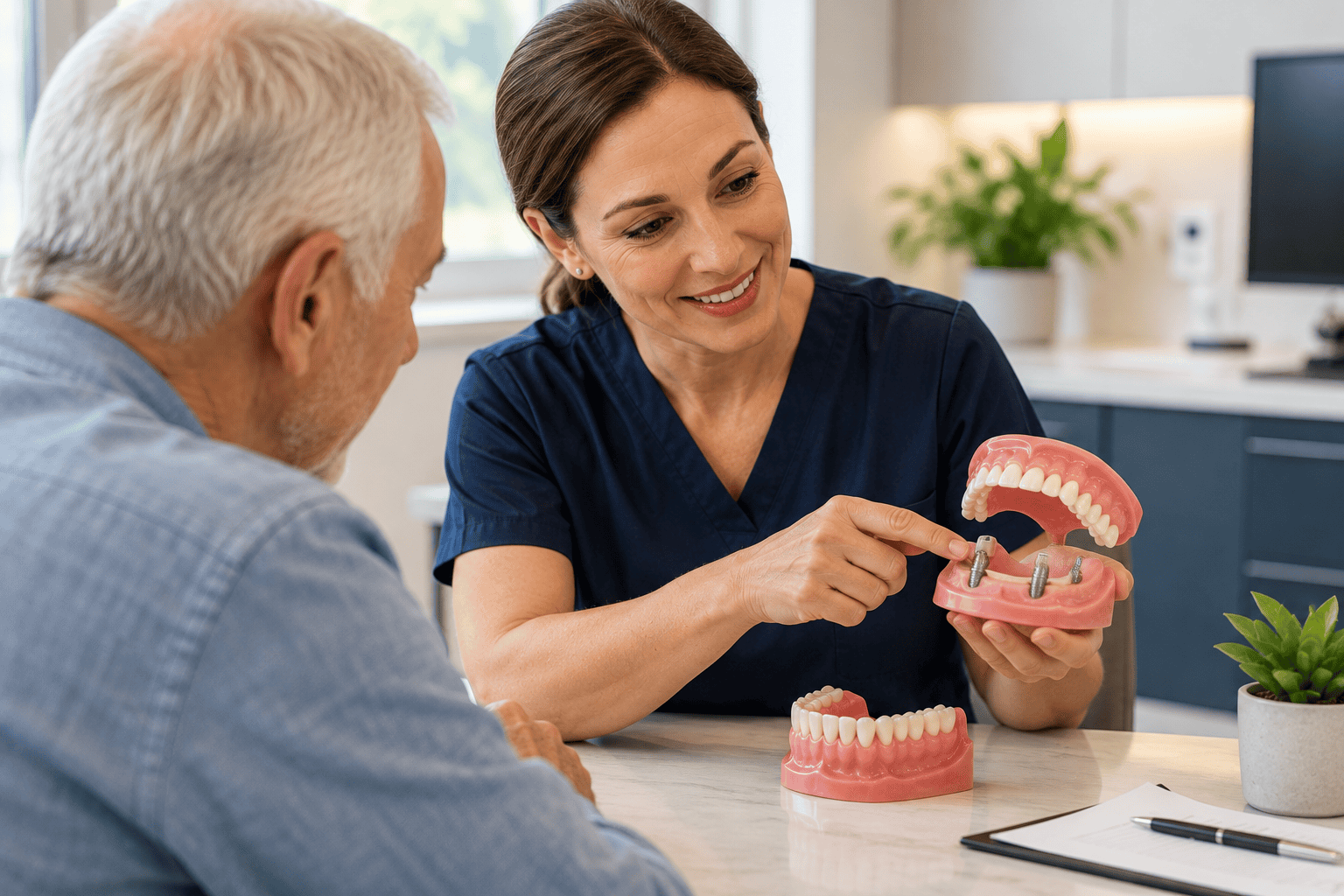
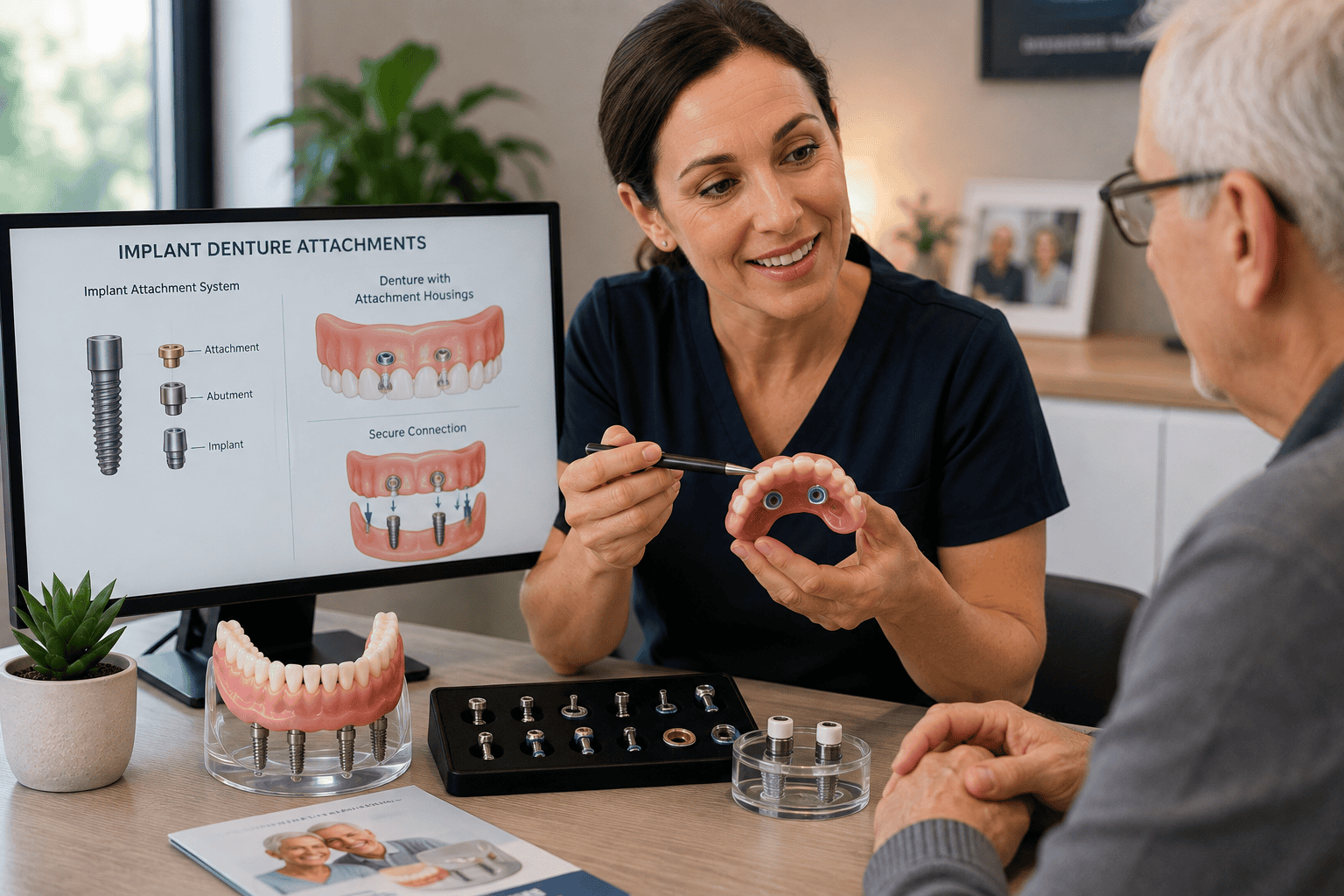
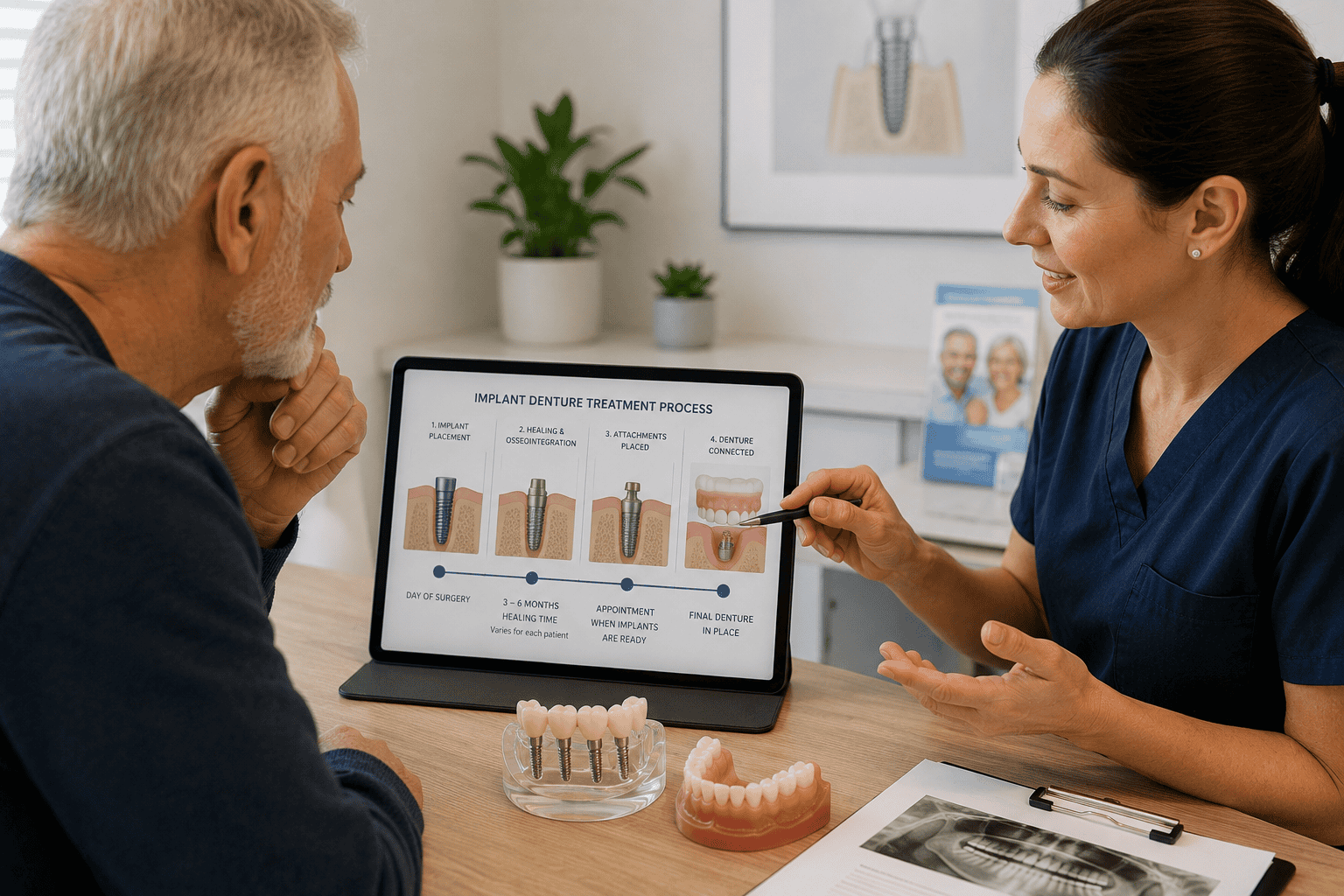
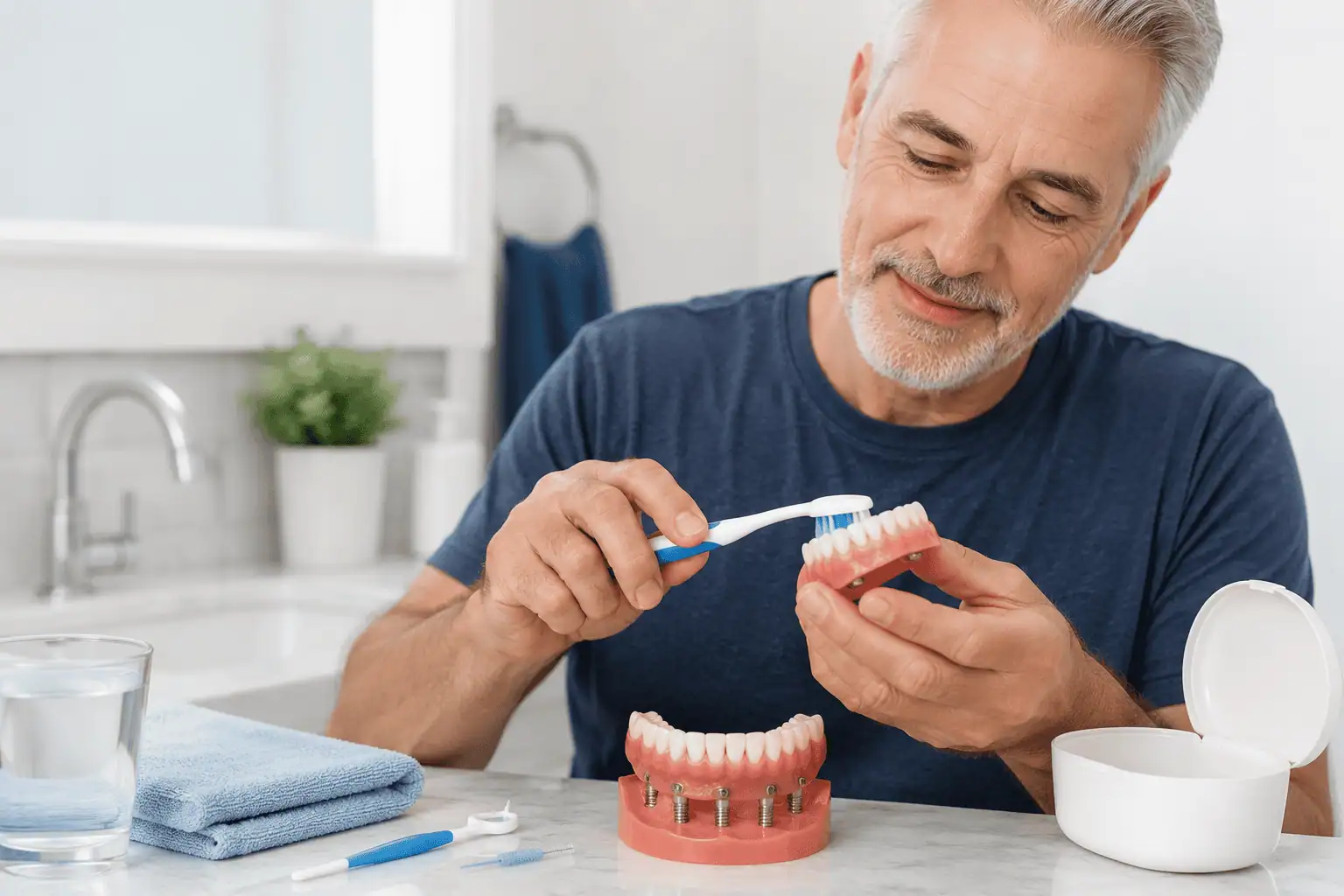
For patients who continue to struggle with retention even with an appropriately fitting denture, implant supported dentures may also be worth discussing.
Changes in Facial Support Can Be Easy to Miss
Dentures also contribute to the appearance of the lower face.
The teeth and denture base help support the lips and surrounding tissues. As denture teeth wear and the mouth changes, that support may gradually decrease.
Patients may notice that the lips appear less supported, the lower face looks shorter, or the smile no longer looks the way it once did.
Because these changes happen slowly, they can be easy to overlook.
A new denture provides an opportunity to reassess tooth length, position, facial support, and smile design rather than simply preserving the appearance of an appliance that has changed over many years.
Old Dentures Can Affect Speech
Speech depends on the relationship between the tongue, lips, teeth, and palate.
As denture teeth wear or the appliance becomes loose, certain sounds may begin to feel different. The denture may also click, move, or feel less predictable during conversation.
A repair can correct a broken area, but it does not necessarily restore the original tooth position or bite if those have already changed substantially.
If speech has gradually become more difficult along with other signs of denture wear, a new denture may provide a more complete solution.
A Reline and a Replacement Solve Different Problems
A reline changes the fitting surface of the denture so it adapts more closely to the gums.
This can be very effective when the denture is otherwise in good shape.
A replacement denture is different because the entire appliance is redesigned.
This means the fit, tooth arrangement, bite, appearance, facial support, and overall function can all be reassessed.
A reline may be appropriate when the denture is structurally sound and the main problem is looseness.
Replacement may be more appropriate when several problems are happening at once.
For example, an old denture that is loose, worn, cracked, and uncomfortable may not be a good candidate for repeated relining and repair.
Digital Dentures Can Make Replacement More Precise
Replacing an old denture today does not necessarily mean repeating the exact same process used years ago.
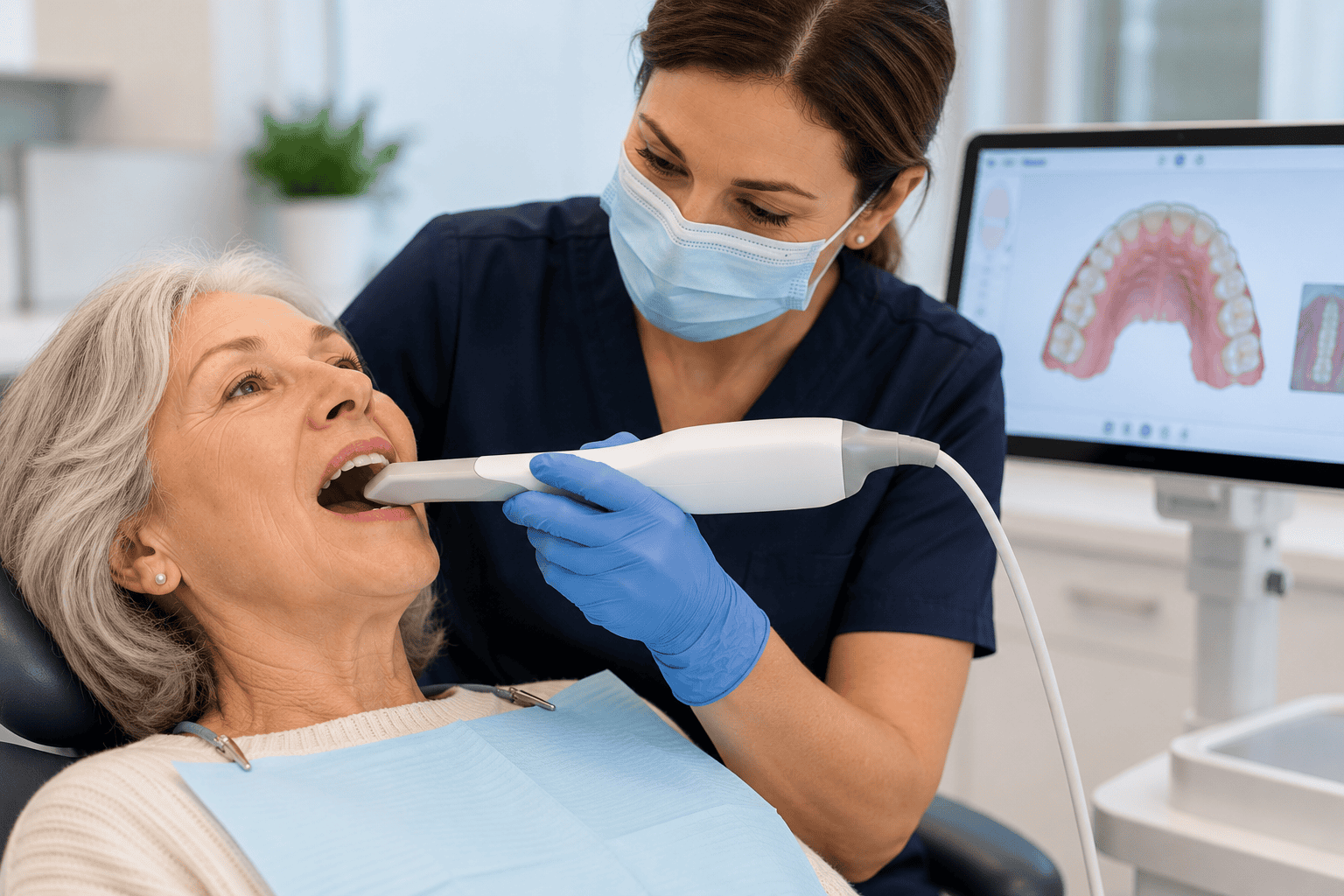
Lower Mainland Denture Clinic uses digital technology as part of modern denture treatment, including intraoral scanning in many cases.
With digital dentures, detailed information can be captured and used during computer-assisted design.
This allows the new denture to be planned around the patient’s current mouth rather than relying on the dimensions of an old appliance that may no longer be appropriate.
Digital planning can help with tooth position, bite alignment, denture contours, appearance, and overall fit.
It can also preserve useful digital information for future treatment.
Your Old Denture Can Still Provide Valuable Information
Even when a denture needs to be replaced, it may still be useful during the planning process.
The old appliance can help identify what the patient liked and disliked.
Perhaps the tooth shade looked natural. Maybe the smile shape was good, but the denture became loose. The patient may like the overall appearance but want better fit and chewing function.
These details can help guide the new design.
The goal is not always to create something completely different.
Sometimes the best result is an updated version of what already worked well.
Replacing Dentures Before They Completely Fail Can Be Easier
Many patients wait until a denture breaks completely before considering replacement.
That can make the situation more stressful because the patient suddenly needs a solution.
Planning replacement before the appliance becomes unusable provides more time to evaluate the options, make design decisions, and create the new denture without the pressure of an emergency.
This can be especially helpful when the existing denture is still wearable but clearly beginning to show its age.
Patients may notice increasing looseness, repeated repairs, worn teeth, or changes in the bite before the denture actually fails.
Those signs are worth paying attention to.
Cracks Around the Same Area Deserve Attention
A denture that repeatedly breaks in the same location may be telling you something.
The area may be under excessive stress.
The denture may be flexing because it no longer fits the gums properly.
The bite may be concentrating pressure in one section.
The material itself may also be fatigued from years of use.
Simply repairing the fracture each time may not address the real cause.
If the same area keeps breaking, the denture should be assessed as a whole rather than treated as a series of unrelated accidents.
Denture Teeth Can Wear Even When They Still Look Acceptable
Patients often judge denture wear by appearance alone.
But teeth can lose important surface anatomy before they look obviously damaged.
As the chewing surfaces flatten, the denture may become less efficient during meals.
The patient may begin taking longer to chew or avoiding certain foods without realizing the worn teeth are contributing to the problem.
A professional assessment can identify changes in the bite that may not be obvious when looking in the mirror.
Comfort Should Not Keep Getting Worse
An older denture can gradually become less comfortable, and many patients simply adjust their expectations.
They assume sore spots, movement, or difficulty chewing are normal because they have been wearing dentures for years.
They are not always normal.
A denture should not become progressively harder to use without being assessed.
If comfort continues to decline despite adjustments, repairs, or relines, replacement should be considered.
Implant Support May Be Worth Discussing During Replacement
If a patient is replacing an old lower denture because it has always been difficult to stabilize, this may also be a good time to discuss implant support.
Implant supported dentures use dental implants to provide additional retention.
This can be particularly valuable for patients who have relied heavily on adhesive or struggled with movement for many years.
The replacement process becomes an opportunity to reassess the entire treatment plan rather than simply creating another version of the same denture.
New Dentures Can Improve More Than Appearance
Patients sometimes think about denture replacement as mainly cosmetic.
Appearance can certainly improve, but the functional changes are often just as important.
A properly planned new denture may improve chewing balance, comfort, speech, facial support, and stability.
If the old denture has been gradually deteriorating, the patient may not realize how much function has been lost until the new appliance is in place.
How Often Should Dentures Be Assessed?
There is no single replacement schedule that applies to every patient.
Different people experience different levels of wear, tissue change, and denture use.
What matters is regular professional assessment.
Even if the denture seems acceptable, periodic evaluation can identify fit changes, bite wear, cracks, and other problems before they become more serious.
The decision to repair, reline, or replace should be based on the condition of the denture and the patient’s current needs rather than age alone.
Signs It May Be Time to Replace Instead of Repair
A denture may be approaching the point where replacement makes more sense if several issues are happening at the same time.
This may include repeated breakage, significant tooth wear, persistent looseness, recurring sore areas, bite changes, increasing dependence on adhesive, reduced facial support, difficulty chewing, or a denture that no longer looks or feels appropriate.
One problem may be repairable.
Several combined problems often suggest the entire appliance should be reassessed.
Do Not Keep Repairing a Denture That No Longer Serves You Well
The purpose of denture treatment is not simply to keep an old appliance functioning for as long as physically possible.
The goal is comfortable, dependable daily function.
If repeated repairs are only extending the life of a denture that continues to feel loose, uncomfortable, or inefficient, replacement may provide better value and a better experience.
A new denture can be designed around how your mouth looks and functions now, not how it looked many years ago.
Book a Denture Assessment
If your dentures have been repaired several times, feel increasingly loose, or no longer provide the comfort and confidence they once did, it may be time to have them assessed.
Lower Mainland Denture Clinic offers digital dentures, complete dentures, denture relines, denture repairs, and implant supported dentures based on individual needs.
Call 604-457-3763 to book a consultation and find out whether another repair, a reline, or a new digital denture is the better next step.